Personalized Medical Care & Dedicated International Patient Concierge

Laser Dermatology · Consultation Required
Pigmentation Laser Treatment
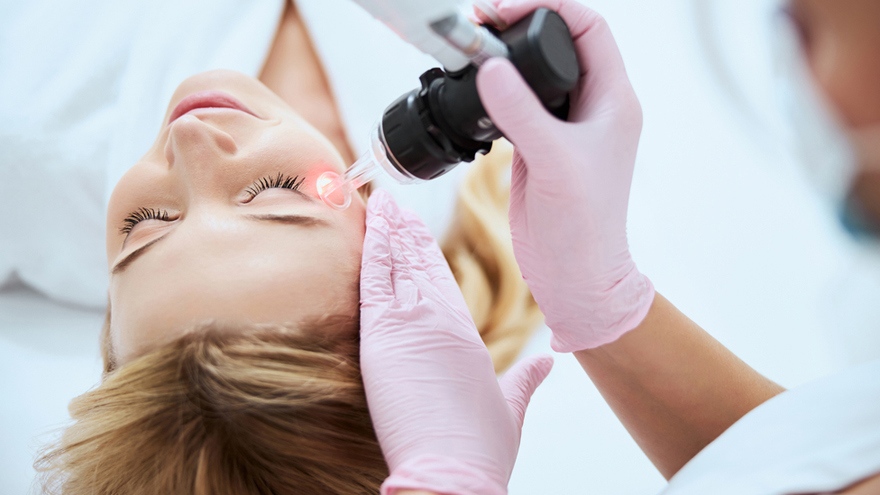
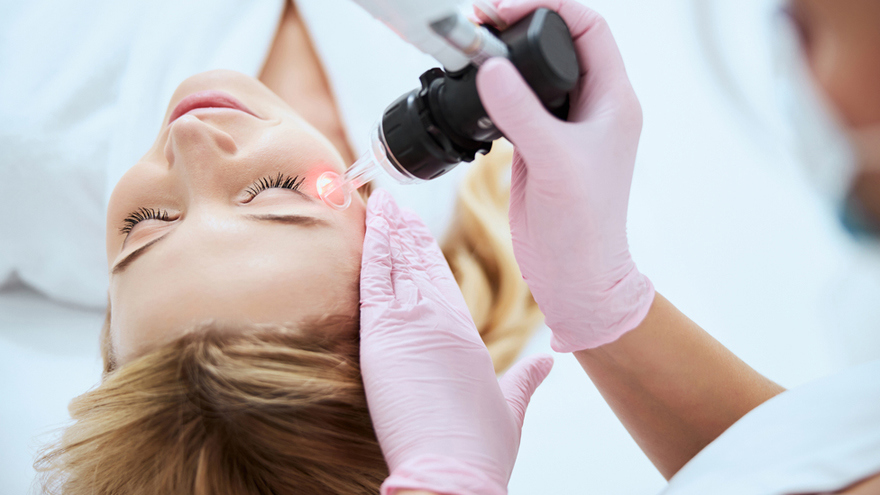
Pigmentation Laser Treatment uses targeted light energy to reduce certain forms of excess pigment in the skin.
Schedule a ConsultationPigmentation Laser Treatment in Seoul
Medically reviewed by Dr. Joong-Ha Ryu, MD, PhD.
Youth&Young Clinic Cheongdam, Gangnam-gu, Seoul
Pigmentation Laser Treatment uses targeted light energy to reduce certain forms of excess pigment in the skin. Depending on the type of pigmentation, a clinician may use a specific laser wavelength and energy setting to target pigment while limiting damage to surrounding skin. At Youth&Young Clinic Cheongdam in Seoul it sits within Laser Dermatology, and it begins with identifying what the pigment is — because for some conditions, laser treatment can make matters worse.
What Is Pigmentation Laser Treatment?
It is the targeted removal of excess pigment with a wavelength chosen for the pigment's type and depth.
It may be considered for selected sunspots, age spots, freckles, and some other pigmented lesions.
Equipment options may include Q-switched or picosecond lasers and other pigment-targeting systems, and different wavelengths and pulse durations target different pigment characteristics.
Many treatments do not require anesthesia; patients may feel brief stinging, snapping, or warmth.
Cooling or topical anesthetic may be used depending on the laser, the treatment area and individual sensitivity.
A session may take approximately 15 to 45 minutes, depending on area and device, with additional time for consultation and preparation.
The exception is the one that matters most. Melasma and post-inflammatory hyperpigmentation require particular care, because laser treatment can sometimes worsen pigmentation. This is why the first job of the appointment is a diagnosis and not a treatment.
Who Performs This Treatment at Youth&Young Clinic Cheongdam
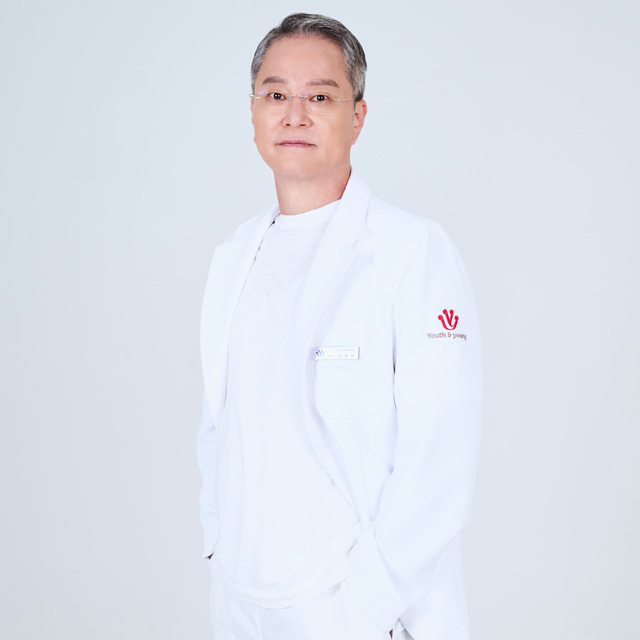
Dr. Joong-Ha Ryu, MD, PhD
Plastic Surgeon
The treatment is delivered by Dr. Joong-Ha Ryu.
Dr. Ryu’s listed work with pigmentation runs through the clinic’s resurfacing practice: treatment depth is adjustable for concerns including enlarged pores, uneven texture and pigmentation, and he has operated UltraPulse systems across four device generations since 1993. His training background is in laser surgery on East Asian skin specifically, which is relevant here because pigment response is the variable that changes most with skin tone. He holds MD and PhD degrees and serves as the clinic’s Director and Medical Advisor.
Who Is a Good Candidate?
People with a clinically assessed, laser-responsive pigmentation concern.
People in generally good health.
People with realistic expectations about what will change and what may return.
Suitability depends on the pigmentation type, skin tone, medical history, recent tanning, and the risk of post-inflammatory hyperpigmentation. The treatment is not suitable for:
People with active skin infections.
People with open wounds in the treatment area.
People with recent tanning or sunburn.
People with certain photosensitivity conditions.
What to Expect: Procedure, Recovery, and Results Timeline
At consultation the clinician reviews the skin concern, medical history, medications, previous treatments, sun exposure, and any tendency to develop dark marks. The skin is examined to identify the likely type and depth of the pigmentation. Photographs may be taken. A test spot may be recommended, particularly for darker skin tones or for patients at higher risk of pigment change — a small, deliberate step that answers a question no consultation can answer by inspection alone.
Before treatment, tell the clinician about medications, supplements, skin conditions, cold sores where a susceptible area is being treated, previous laser treatments, and any history of abnormal pigmentation or scarring. Avoid tanning, and follow the clinic's instructions about sun exposure, skincare products and active ingredients.
The session itself runs in a set order. The skin is examined and cleansed. The treatment area and laser settings are selected. Protective eyewear is provided. The laser is applied to the targeted areas. Cooling may be used for comfort. The skin is checked after treatment. Soothing products and sun-protection instructions are then provided.
Stage | What typically happens |
|---|---|
First 24–72 hours | Mild redness, swelling or sensitivity may occur |
First 1–2 weeks | Treated spots may darken or form small crusts; let them shed naturally |
Following weeks | Skin tone gradually settles |
Several weeks to months | Improvement becomes easier to assess; further sessions may be considered |
Aftercare is short and non-negotiable: follow the clinic's cleansing and moisturizing instructions, use broad-spectrum sunscreen, and minimize sun exposure. Recovery varies by device, treatment intensity and skin type.
Some spots may appear darker before gradually fading over days to weeks, which is expected rather than a sign of failure. Improvement is usually assessed over several weeks, and multiple sessions may be needed. Results may last for months or longer, but new pigmentation can develop through sun exposure, hormonal factors, aging, or the underlying condition itself. Ongoing sun protection and, where appropriate, maintenance treatment may be needed.
Why sun protection is part of the treatment, not an afterthought
Sunlight causes the skin to make more pigment, which can darken existing patches and cause new ones. For the pigmentation conditions where that mechanism dominates, sun protection does more than preserve a result — it is part of producing one. Dermatological guidance for melasma is explicit that sun protection can help fade it and prevent it returning, and recommends a wide-brimmed hat outdoors, seeking shade, and a broad-spectrum sunscreen of SPF 30 or higher applied throughout the day, with zinc oxide, titanium dioxide or iron oxide among the ingredients often suggested (American Academy of Dermatology).
A tinted sunscreen is a practical answer to the white cast that stops people using mineral filters consistently. The best sunscreen for this purpose is the one that gets applied every day.
If the diagnosis is melasma
Melasma deserves its own paragraph because the standard answer is not a laser. There is no single best treatment for it, and the most effective approach often combines sun protection with medication applied to the skin, and sometimes a procedure. A few studies have found that adding a laser or light treatment can improve results for patients already applying medication and protecting their skin from the sun — which positions laser as an addition to a plan rather than the plan itself.
Melasma can also come back. Treatments can help fade the discoloration, but they cannot make melasma go away permanently, and unprotected sun exposure is a frequent cause of return. Treating it earlier tends to work better than treating it after many years. Results generally take between three and twelve months to appear, and longer where the condition is long-standing. None of that is a reason to avoid treatment; it is a reason to be told the timescale before starting rather than during.
How the pigment is identified
Pigmentation is a description of an appearance, not a diagnosis, and several different conditions look similar across a room. Separating them is what the examination is for, and dermatologists have instruments for it: a specialized device placed on or near the skin, such as a Wood's lamp or a dermatoscope, helps show how deeply the darker pigment reaches into the skin's layers, and that depth information is directly useful when treatment is being planned. Where one condition could be mistaken for another, a small skin biopsy may be performed to rule the second one out.
Depth matters because it determines what a wavelength can reach and what it will do on the way. Different wavelengths and pulse durations target different pigment characteristics, so a device suited to superficial sun-related spots is not automatically suited to pigment lying deeper. This is the mechanical reason a treatment plan cannot be written from a photograph.
The clinician will also ask what tends to happen to your skin after it is irritated. A tendency to develop dark marks following inflammation changes both the risk calculation and the choice of settings, and it is something patients often know about themselves without having been asked.
What patients from abroad usually ask first
The clinic's record of inbound questions about pigmentation is consistent, and most of it is answerable before you travel.
Whether the spots being treated are the type that responds to a laser at all.
What the realistic degree of improvement is, as distinct from the best case.
How many sessions the plan assumes, and how far apart they fall.
Whether the trip is long enough for the crusting phase to pass before flying.
What the estimate covers, given that consultation, treatment and follow-up are separate items.
Whether a remote follow-up is possible once you are home.
Several of those answers depend on the diagnosis, which is why a consultation — in English, before travel where possible — tends to save more time than it costs.
Alternatives and Combinations
Alternative | Where it fits |
|---|---|
Sun protection alone | The baseline for every pigmentation plan, and sometimes sufficient |
Topical depigmenting products | Applied at home; the usual first line for several conditions |
Prescription treatments | Where a topical product is not enough, under supervision |
Chemical peels | Removes excess pigment chemically rather than optically |
Observation | Appropriate where a lesion needs watching rather than treating |
Melasma often requires a carefully selected long-term management plan rather than laser treatment alone. Treatment may be combined with topical skincare or other procedures under a clinician's plan, but combining lasers, peels, or irritating topical products too closely together may increase inflammation and the risk of pigmentation changes — the precise outcome the treatment is meant to avoid.
Safety, Precision, and Clinic Standards

Temporary redness, swelling, tenderness, and darkening or crusting of treated spots may occur. Possible complications include burns, blistering, infection, scarring, light or dark patches, and worsening or recurrence of pigmentation. Seek medical advice for severe or increasing pain, spreading redness, pus, blistering, or unexpected changes in the treated skin.
The risk that distinguishes this treatment from the clinic's other laser services is that it can produce the problem it treats. That is the reason for the test spot, for the attention to skin tone, and for the refusal to treat recently tanned skin. The clinic's answer to that is per-patient selection: intensity, depth and handpiece are each chosen against skin condition, age and what the treatment is for, instead of a standard preset.
The rule against treating tanned or sunburned skin is categorical for the same reason. Dermatological guidance states that a patient arriving with a tan or sunburn cannot be treated, because firing a laser at that skin risks a serious burn or a discolouration (AAD). On a treatment whose whole purpose is evening out colour, that is not a small risk to accept for the sake of keeping an appointment.
A correct diagnosis precedes all of it. A clinician can tell you whether the discoloration is one condition or another, and that distinction changes the treatment plan rather than merely naming it.
The clinic holds Korean business registration number 720-46-00344. It is a Registered Medical Institution for Attracting Foreign Patients under the Ministry of Health and Welfare, in compliance with the Medical Overseas Expansion and Foreign Patients Attraction Act. That is a registration for treating international patients; it is not a facility accreditation.
One more practical note about makeup. While a pigmentation plan is working, camouflage makeup is a legitimate interim measure rather than a sign of impatience, and applying it in the right order matters: treatment product first, then sunscreen, then makeup. Getting that sequence wrong is a common way of undermining both the medication and the sun protection at once.
The Bottom Line
Pigmentation laser treatment targets selected sunspots, age spots, freckles and some other pigmented lesions.
Melasma and post-inflammatory hyperpigmentation need particular care, because laser treatment can sometimes worsen them.
Treated spots commonly darken or crust in the first one to two weeks before fading.
A test spot may be recommended, especially for darker skin tones.
Daily broad-spectrum sun protection is part of the treatment, not merely aftercare.
Frequently Asked Questions
Will the spot get darker before it gets better? Often, yes. Some treated spots darken or form small crusts in the first one to two weeks, and those should be allowed to shed naturally rather than picked. Skin tone settles over the following weeks.
Is this suitable for melasma? Not as a first step. Melasma often needs a carefully selected long-term management plan rather than laser treatment alone, and laser is best understood as a possible addition to sun protection and topical treatment. Laser treatment can also sometimes worsen melasma, which is why the diagnosis comes first.
What is a test spot, and should I ask for one? It is a small trial area treated before the full session, used to see how your skin responds. It is particularly recommended for darker skin tones and for anyone at higher risk of pigment change. Asking about it is reasonable whenever your skin tone or history puts you in that group.
How many sessions will I need? Some concerns respond to one session; others require several, spaced weeks apart. Improvement is usually assessed over several weeks rather than immediately. The number depends on the pigment type, its depth, your skin tone and your sun exposure.
Will the pigmentation come back? It can. New pigmentation can develop from sun exposure, hormonal factors, aging, or the underlying condition. Results may last for months or longer, and ongoing sun protection — with maintenance treatment where appropriate — is what extends them.
Does it hurt? Many treatments need no anesthesia. Expect brief stinging, a snapping sensation, or warmth. Cooling or a topical anesthetic may be used depending on the laser, the area treated and your own sensitivity.
Can I be treated if I have just been on holiday? Not if you are tanned or sunburned. Recent tanning makes the treatment unsuitable, and the appointment will be postponed rather than adjusted. Plan the treatment away from sun exposure in both directions.
What do I do if something looks wrong afterwards? Contact the clinic through its contact page, by phone on +82-2-545-9393, or by email at info@youthandyoungcheongdam.com. Pain that is severe or increasing, spreading redness, pus or blistering are all reasons to make contact the same day. Where no reply arrives within a few hours and the symptom is worsening, see a doctor locally and tell the clinic afterwards.
Book a Consultation at Youth&Young Clinic Cheongdam
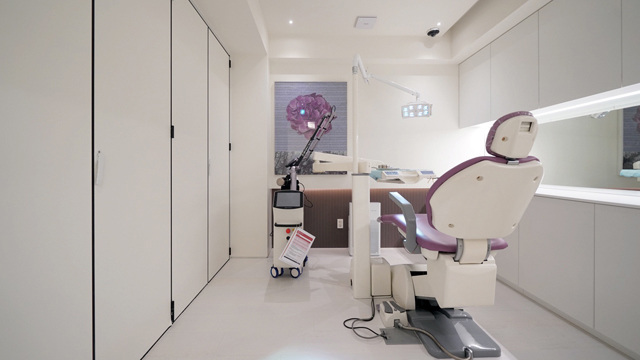
Pigmentation laser treatment in Seoul starts with identifying the pigment, assessing your skin tone, and deciding whether a laser is the right answer at all. Consultations are available in English. Book through the clinic contact page, or call +82-2-545-9393. The clinic is at 2F, 49 Dosan-daero 55-gil, Gangnam-gu, Seoul 06014, Republic of Korea, and is open Monday, Tuesday, Thursday and Friday from 10:00 to 19:00 KST, and Saturday from 10:00 to 15:00 KST, excluding the second and fourth Saturdays of each month.
Disclaimer
This page is for general informational purposes and does not constitute individualized medical advice. Candidacy, technique, and expected outcomes can only be determined through a consultation with a qualified physician.
Sources & Further Reading
Other Services
Explore additional treatments offered by our specialists.

Sub-Brow Lift
A sub-brow lift is a surgical procedure that removes selected excess skin, and sometimes a limited amount of underlying tissue, from the upper eyelid through an incision just below the eyebrow.
Learn More

Stem Cell Skin Treatment
Stem cell skin treatment is a broad term used for aesthetic procedures marketed to improve skin quality, texture, hydration, or visible signs of aging using cell-based materials or products described as stem-cell-derived.
Learn More
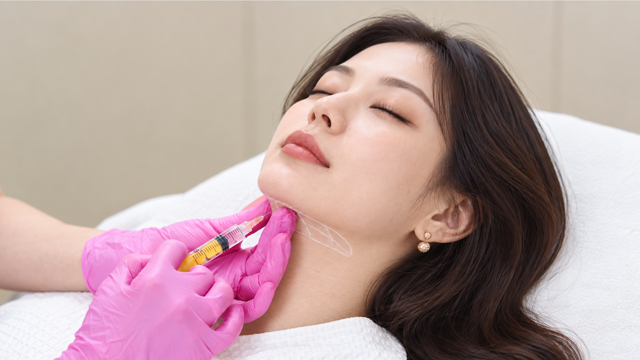
Stellate Ganglion Block
Stellate ganglion block is an injection-based procedure that delivers local anesthetic near the stellate ganglion, a group of sympathetic nerves located in the lower neck, temporarily interrupting certain sympathetic nerve signals.
Learn More