Personalized Medical Care & Dedicated International Patient Concierge

Specialty Overview
Laser Dermatology
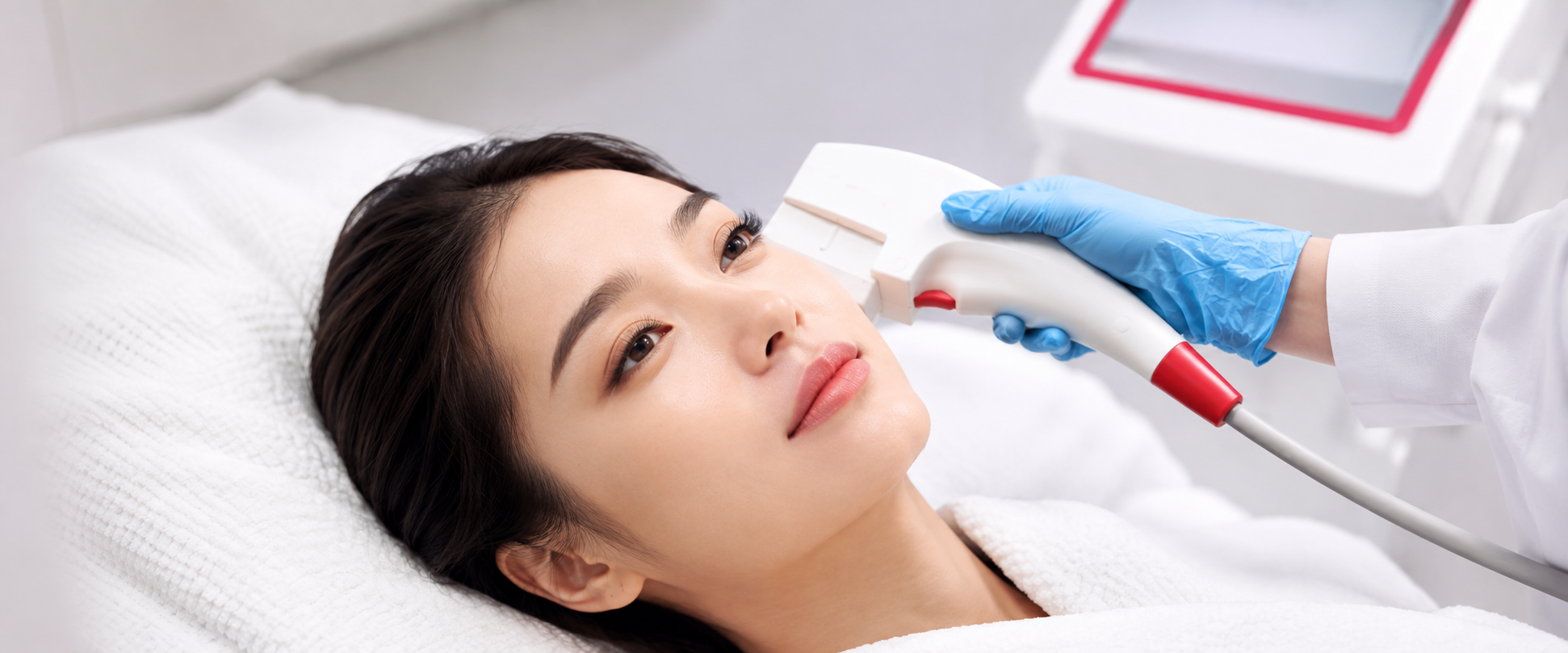
Laser dermatology is the treatment of diagnosed skin concerns with focused light energy delivered at settings chosen for the concern, the skin and the depth required.
Schedule a ConsultationLaser Dermatology in Seoul
Medically reviewed by Dr. Joong-Ha Ryu, MD, PhD.
Youth&Young Clinic Cheongdam, Gangnam-gu, Seoul
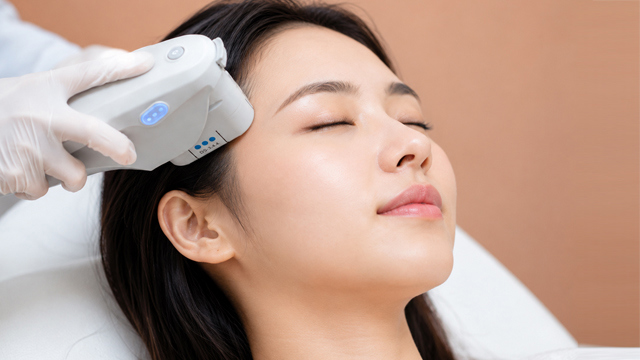
Laser dermatology uses focused light energy to treat selected skin concerns. Depending on the device and settings, treatments may target skin texture, wrinkles, scars, or other concerns. At Youth&Young Clinic Cheongdam in Seoul, this is the clinic's founding discipline rather than an add-on service, and the equipment listed for it is the Lumenis UltraPulse Alpha CO₂ laser.
What Is Laser Dermatology?
Laser dermatology is the treatment of diagnosed skin concerns with focused light energy delivered at settings chosen for the concern, the skin and the depth required.
A typical appointment involves assessing the treatment area, cleansing the skin, providing eye protection, applying numbing medication if appropriate, delivering the laser at selected settings, and giving aftercare instructions.
Some laser treatments require no anesthesia, while others use topical numbing cream or another pain-control method.
Discomfort depends on the laser, the energy settings, the treatment area, and the depth.
The equipment listed by the clinic is the Lumenis UltraPulse Alpha CO₂ laser, alongside previous generations of UltraPulse equipment including Coherent systems.
Appointment length and the number of sessions depend on the treatment area, laser settings, skin concern, and healing response.
Mechanically, the beam removes the outer layer of skin, the epidermis, while simultaneously heating the underlying dermis, and that heating stimulates growth of new collagen fibres so that the skin forming over the treated area is smoother and firmer (American Society of Plastic Surgeons). What varies between treatments is how much of that happens and how deep it goes. That single variable is what separates a one-day recovery from a one-week one.
Who Performs Laser Dermatology at Youth&Young Clinic Cheongdam
|
Dr. Joong-Ha Ryu, MD, PhD |
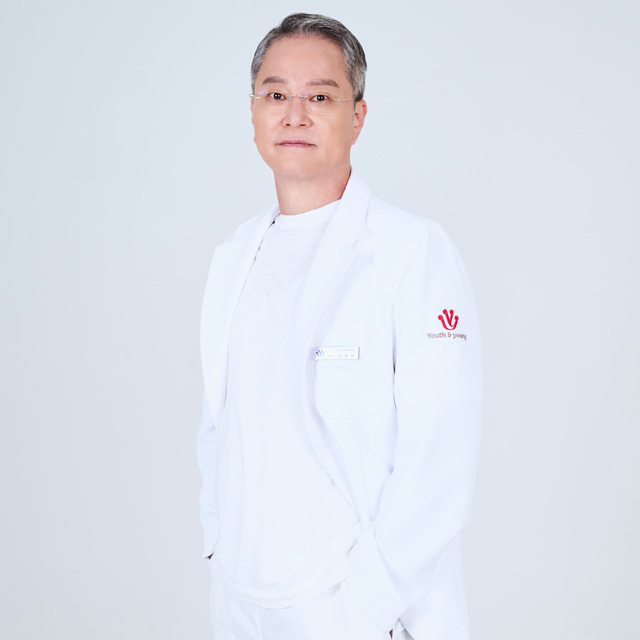
Laser treatment at the clinic is performed by Dr. Joong-Ha Ryu.
Dr. Joong-Ha Ryu is the Director and Medical Advisor, holding MD and PhD degrees, with more than 30 years of clinical experience in laser cosmetic surgery. He has used UltraPulse equipment since 1993. He has worked with all four generations of UltraPulse technology, including the current UltraPulse Alpha, and the clinic states he is the only practitioner in Korea with that full span of experience. In 1990 he completed training under Dr. David Laurence, founder of the International Society of Cosmetic Laser Surgeons, as that society's first and only Asian disciple according to the clinic. The clinic reports he became a full member of that society in 1995. His stated subspecialty technique expertise includes laser deep dermabrasion, CO₂ laser skin resurfacing, and laser-assisted skin peeling using TCA.
The clinic's laser history
The clinic was established in 1993, and its opening is tied to laser work rather than to a general aesthetic practice. The laser clinic Dr. Ryu opened that year was built around UltraPulse CO₂ technology, which the clinic records as reportedly the first of its kind in Korea. A year later, at International Society of Cosmetic Laser Surgeons workshops held in Seoul and Busan, he presented transconjunctival laser under-eye fat repositioning. In 1995 he reportedly performed the first successful laser deep resurfacing on East Asian skin, and presented that work to the same society. The clinic reports a Lumenis Global Key Doctor designation. Current practice uses the fourth-generation UltraPulse Alpha.
Two of those claims are the clinic's own account of its history and are reported here as such. The clinic's own source material flags the "first UltraPulse in Korea" and the 1995 society membership as points to verify against documentation before publication, and that caution is repeated here rather than dropped.
The clinic also runs Youth&Young Academy, which trains physicians in patient selection, surgical design, UltraPulse operation, surgical technique, anesthesia and recovery management, and complication handling, including live surgery observation.
Laser Dermatology Treatments Available
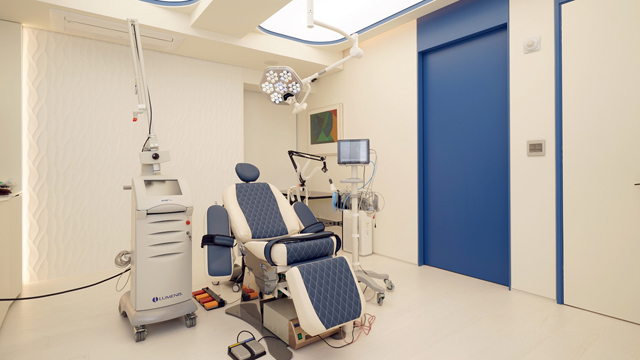
The clinic lists four treatments under this specialty. They are not interchangeable, and the right one follows from the diagnosis rather than from preference.
Treatment | Principal concern addressed | Depth and recovery profile |
|---|---|---|
Skin texture, enlarged pores, fine lines and deeper wrinkles | Ablative; expect visible redness, swelling, crusting and wound care | |
Acne, traumatic, surgical and burn scars | Varies; deeper scars are treated with the device's SCAAR FX mode | |
Uneven tone, sunspots and post-inflammatory pigmentation | Varies by depth of pigment and by skin tone | |
Fine lines, deeper wrinkles and skin laxity | Varies; generally gentler than full ablative resurfacing |
Reading that table from the right-hand column is often more useful than from the left. Patients arriving from the United States generally describe the concern rather than the device — acne scarring, uneven skin texture, wrinkles, or a selected cosmetic skin change — and the clinic's own record of inbound questions reflects that. The device follows from the diagnosis; naming one in advance tends to narrow the assessment before it has happened.
Depth is the variable that carries both the benefit and the cost. An ablative treatment removes tissue and asks for wound care in return. A gentler setting asks for less recovery and usually more sessions. Neither is the better choice in the abstract, and the same patient may need both at different stages of a plan.
Alternatives to laser treatment depend on the diagnosis, and may include topical skin care, prescription medication, chemical peels, microneedling, or other energy-based procedures. These options are not interchangeable: the clinician should compare expected benefit, risk, downtime, and suitability for the patient's skin type and concern before a device is chosen.
Who Is a Good Candidate for Laser Dermatology?
People whose diagnosed skin concern can reasonably be treated with the selected laser.
People whose skin condition, medical history and expectations are appropriate for the procedure.
Suitability depends on the concern, skin tone, tendency to scar, recent sun exposure, and the laser's characteristics.
Treatment may need to be postponed or individually assessed for:
Anyone whose skin is sunburned or recently tanned.
People with active skin infections.
People with a history of abnormal scarring.
People with certain medical conditions, or taking medicines that affect healing.
These factors do not automatically exclude everyone; the clinician must evaluate the specific laser and the specific risk.
What to Expect: Procedure, Recovery, and Results Timeline
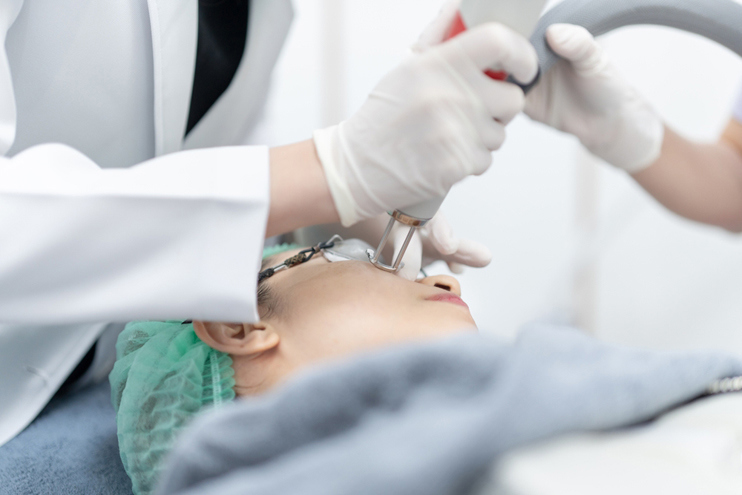
The consultation runs in a fixed order. You contact the clinic to arrange it. You explain your skin concerns, medical history, previous cosmetic treatments, current medications, and any history of scarring or cold sores. The clinician examines the skin and assesses whether laser treatment is appropriate. You then discuss the proposed device, the expected benefit, the risks, the downtime, the number of sessions, and the cost.
Preparation matters more here than patients expect. Tell the clinician about medicines, supplements, allergies, cold sores, diabetes or other relevant medical conditions, smoking, and any tendency to scar. Avoid tanning and protect the skin from sunlight before treatment. Do not start or stop prescription or blood-thinning medication without medical advice. The point is not caution for its own sake: arriving with a tan or a sunburn can mean the treatment cannot be performed at all, and the American Academy of Dermatology states that using a laser on tanned or sunburned skin could cause a serious burn or discolour the skin (American Academy of Dermatology).
Stage | What typically happens |
|---|---|
During the appointment | Area assessed, skin cleansed, eye protection given, numbing applied if appropriate, laser delivered |
First days | Redness, swelling, warmth, tenderness, itching, stinging, peeling or crusting, depending on depth |
Non-ablative treatments | Mild redness that settles relatively quickly |
Ablative CO₂ resurfacing | Several days or longer of visible redness, swelling, crusting or wound care |
Weeks to months | Collagen remodelling continues; texture changes develop gradually |
Aftercare follows the clinic's cleansing, moisturizing, dressing and medication instructions. Avoid picking or rubbing treated skin. Protect it from sunlight while healing. The level of wound care required depends on whether the laser was ablative or non-ablative. Contact the clinic if symptoms worsen or signs of infection develop.
Results and recovery are on different clocks. Redness and swelling can temporarily obscure improvement, and collagen remodelling may continue after treatment. Some conditions require a series of sessions or maintenance treatments. Longevity depends on the condition, the laser type, the treatment plan, skin care, and ongoing sun exposure. The clinic does not publish a universal final-result date, because the honest answer is an individual assessment timeline.
For international patients, a stay of one to three days may be sufficient for some superficial procedures, while ablative or more intensive laser treatments may require a longer stay for healing and follow-up. Confirm the recommended stay with the treating clinician based on the laser type and treatment depth. Being well enough to leave the clinic on the day of treatment is not the same as being ready for a long-haul flight.
Combining Laser Dermatology with Other Treatments
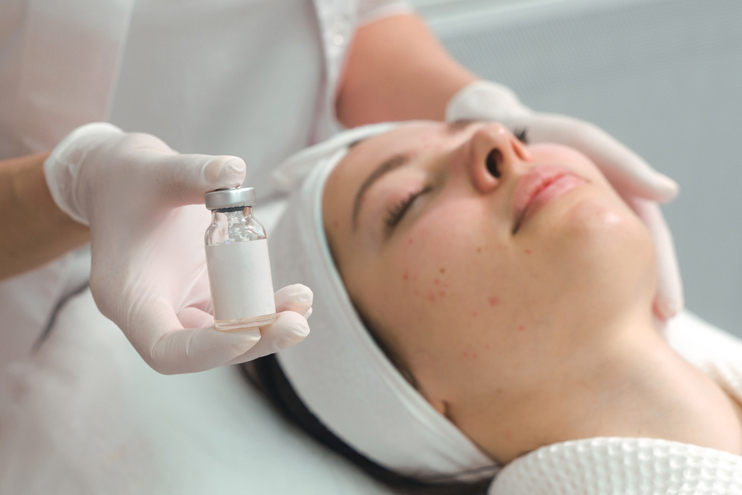
Laser treatment may be combined with topical therapy as part of an individualized plan.
It may be combined with prescription medication where the diagnosis calls for it.
It may be sequenced with another procedure, with recovery requirements determining the order.
The appropriate combination depends on the indication and on recovery requirements, and is set at consultation rather than in advance.
Safety, Precision, and Clinic Standards
Possible effects of laser treatment include temporary redness, swelling, discomfort and skin sensitivity. Depending on the laser and the treatment depth, complications can include burns, blisters, infection, pigment changes, prolonged healing and scarring. Risk depends on skin characteristics, device settings and operator experience. The American Academy of Dermatology puts the third of those plainly: results depend largely on the skills of the person performing the laser treatment, and when that person lacks medical expertise and specialized knowledge of the skin the treatment may not give the results sought and can even be dangerous.
The clinic's stated quality-control practice is to adjust laser intensity, treatment depth and handpiece selection according to skin condition, age and treatment goals rather than running fixed settings. Treatment depth is adjustable for concerns such as enlarged pores, uneven texture and pigmentation. The UltraPulse Alpha SCAAR FX mode is presented for deeper scars, including acne, traumatic, surgical and burn scars. The clinic describes UltraPulse technology as minimizing surrounding tissue damage and supporting shorter downtime; actual recovery varies by procedure and by patient.
A medical consultation before any laser treatment is not a formality. If someone offers to treat your skin before providing one, that is a reason to leave. Give the clinician a list of the medications and supplements you take, because you may need to stop something for a while in order to heal well.
What patients travelling from abroad usually want checked
The clinic's record of what international patients raise before booking is specific, and five items come up repeatedly in relation to laser work.
Which device will actually be used. Confirming the laser equipment and that it suits the proposed treatment is a recurring request, and the clinic lists its equipment openly for that reason.
Which risks apply to this laser. Pigmentation changes, scarring and redness are the ones patients ask about by name, and the answer depends on the device and depth, not on the category.
What the written estimate covers. A clear estimate without unexpected fees is a stated expectation; consultation, treatment and follow-up are separate items.
What results are realistic. Reviewing relevant before-and-after cases without guaranteed-outcome claims is how the clinic frames this, and guaranteed outcomes are not offered.
How photographs and records are handled. Patients ask how medical photographs and personal information are stored and used, and that is a reasonable question to ask before any are taken.
Informed consent explained clearly in English is part of the same list, as is knowing how the clinic handles an adverse event and when hospital care would be required. None of these is answered by a price.
The clinic holds Korean business registration number 720-46-00344. It is a Registered Medical Institution for Attracting Foreign Patients under the Ministry of Health and Welfare, in compliance with the Medical Overseas Expansion and Foreign Patients Attraction Act. That is a registration for treating international patients; it is not a facility accreditation.
The Bottom Line
Laser dermatology treats diagnosed skin concerns with focused light energy at settings chosen for the concern and the skin.
The clinic lists the Lumenis UltraPulse Alpha CO₂ laser as its equipment and has used UltraPulse systems since 1993.
Four treatments sit under this specialty: CO₂ resurfacing, scar and acne scar treatment, pigmentation treatment, and skin tightening.
Recovery ranges from mild redness after non-ablative treatment to several days or longer of wound care after ablative CO₂ resurfacing.
Laser treatment does not guarantee complete scar removal or flawless skin, and multiple sessions may be needed.
Frequently Asked Questions
Which laser treatment do I actually need? That is decided from the diagnosis, not from the list. The clinician examines the skin, identifies what is causing the concern, and then selects a device and a depth. A clinic that names the treatment before examining the skin has skipped the step that determines whether it will work.
How much downtime should I plan for? It depends entirely on whether the treatment is ablative or non-ablative. Non-ablative treatments tend to cause mild redness that settles relatively quickly. Ablative CO₂ resurfacing may involve several days or longer of visible redness, swelling, crusting or wound care, and AAD describes needing to stay home for five to seven days after laser resurfacing.
Does my skin tone change what is safe? Yes. Suitability depends in part on skin tone and on tendency to scar, and pigment change is one of the listed complications. This is a question to raise directly at consultation rather than to assume has been accounted for.
Will one session be enough? Some treatments can be performed in one session, while others require a series of appointments. Results take time to appear, and improvement may be slight at first. Asking how many sessions the plan assumes, and what happens if the response is slower than expected, is reasonable before paying for the first.
Can laser treatment remove a scar completely? No. Laser treatment can make a scar less noticeable, but it cannot get rid of a scar. Laser treatment does not guarantee complete scar removal or flawless skin.
What do I need to do about sun exposure? Avoid tanning and protect the skin from sunlight before treatment, and protect treated skin from the sun while it heals. Sun exposure on healing skin can cause a new scar to develop. Sun protection also affects how long results last.
Is it painful? Patients may feel stinging, prickling, heat or discomfort during treatment. Individual pain levels vary and cannot be guaranteed. Topical numbing cream or another pain-control method is used where appropriate.
What do I do if something looks wrong after I return home? Contact the clinic through its contact page, by phone on +82-2-545-9393, or by email at info@youthandyoungcheongdam.com. Worsening symptoms or signs of infection should be reported rather than waited out. If you cannot reach the clinic quickly, seek local medical attention first.
Book a Consultation at Youth&Young Clinic Cheongdam
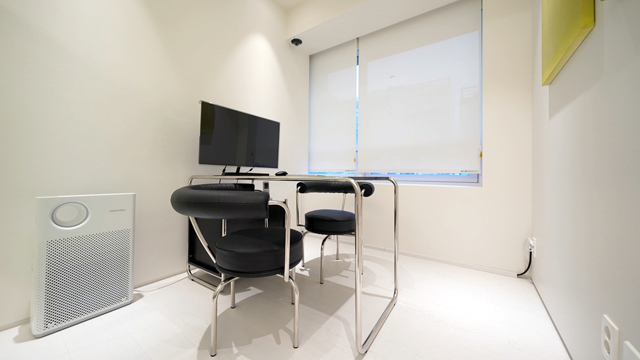
Laser dermatology in Seoul starts with an examination of the skin and a diagnosis, and only then with a device. Consultations are available in English, and the clinic can discuss the proposed device, expected benefits, risks, downtime, number of sessions and cost before you commit. Book through the clinic contact page, or call +82-2-545-9393. The clinic is at 2F, 49 Dosan-daero 55-gil, Gangnam-gu, Seoul 06014, Republic of Korea, and is open Monday, Tuesday, Thursday and Friday from 10:00 to 19:00 KST, and Saturday from 10:00 to 15:00 KST, excluding the second and fourth Saturdays of each month.
Disclaimer
This page is for general informational purposes and does not constitute individualized medical advice. Candidacy, technique, and expected outcomes can only be determined through a consultation with a qualified physician.
Sources & Further Reading
Related Services
Procedures available within our clinical departments.

Sub-Brow Lift
A sub-brow lift is a surgical procedure that removes selected excess skin, and sometimes a limited amount of underlying tissue, from the upper eyelid through an incision just below the eyebrow.
Learn More

Stem Cell Skin Treatment
Stem cell skin treatment is a broad term used for aesthetic procedures marketed to improve skin quality, texture, hydration, or visible signs of aging using cell-based materials or products described as stem-cell-derived.
Learn More
Stellate Ganglion Block
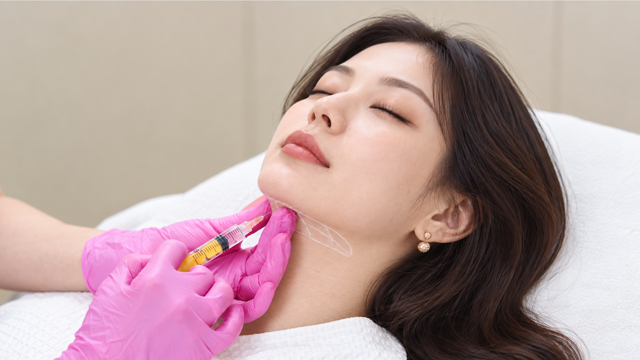
Stellate ganglion block is an injection-based procedure that delivers local anesthetic near the stellate ganglion, a group of sympathetic nerves located in the lower neck, temporarily interrupting certain sympathetic nerve signals.
Learn More