Personalized Medical Care & Dedicated International Patient Concierge


Anesthesiology & Pain Medicine · Consultation Required
Surgical & Procedural Anesthesia
Surgical and procedural anesthesia involves using medications to prevent pain, reduce anxiety, or induce unconsciousness during surgical procedures and medical treatments.
Schedule a ConsultationSurgical & Procedural Anesthesia in Seoul

Medically reviewed by Dr. Young-yeon Hwang, board-certified Anesthesiology and Pain Medicine specialist Youth&Young Clinic Cheongdam, Gangnam-gu, Seoul
Surgical and procedural anesthesia involves using medications to prevent pain, reduce anxiety, or induce unconsciousness during surgical procedures and medical treatments. The type used depends on the procedure, the patient's health, and the level of comfort required. At Youth&Young Clinic Cheongdam in Seoul this service sits under Anesthesiology & Pain Medicine and is held by the clinic's own specialist rather than contracted in.
What Is Surgical & Procedural Anesthesia?
Surgical and procedural anesthesia is the medical service that makes an operation possible: an assessment beforehand, a drug plan chosen for the patient and the procedure, and continuous monitoring from induction through to discharge criteria being met.
It begins before the day of surgery, with a review of health, medication, allergies, previous anesthesia and the planned procedure.
The anesthetic may be sedation or general anesthesia, with local infiltration covering minor interventions.
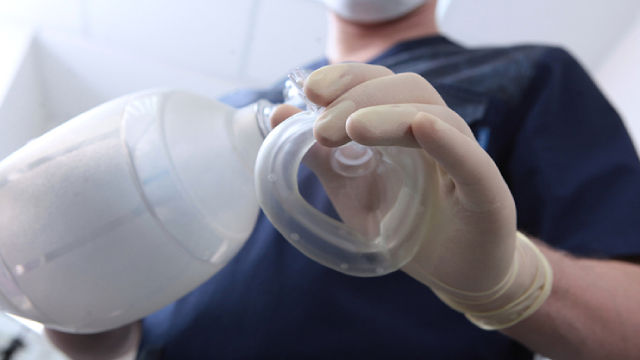
Equipment includes anesthesia delivery systems, oxygen supply, patient monitors, pulse oximetry, blood pressure monitoring, ECG, capnography, airway management devices and emergency resuscitation equipment.
Delivery spans the exact duration of the surgery plus preparation time.
Post-anesthesia monitoring generally requires one to three hours in an outpatient setting.
The one thing patients consistently underestimate is the first bullet. The assessment is not administrative — it is where the risk is actually managed, and skipping it is not a time saving.
Who Provides Surgical & Procedural Anesthesia at Youth&Young Clinic Cheongdam
|
|
Dr. Young-yeon Hwang, Representative Director | Dr. Joong-Ha Ryu, MD, PhD |

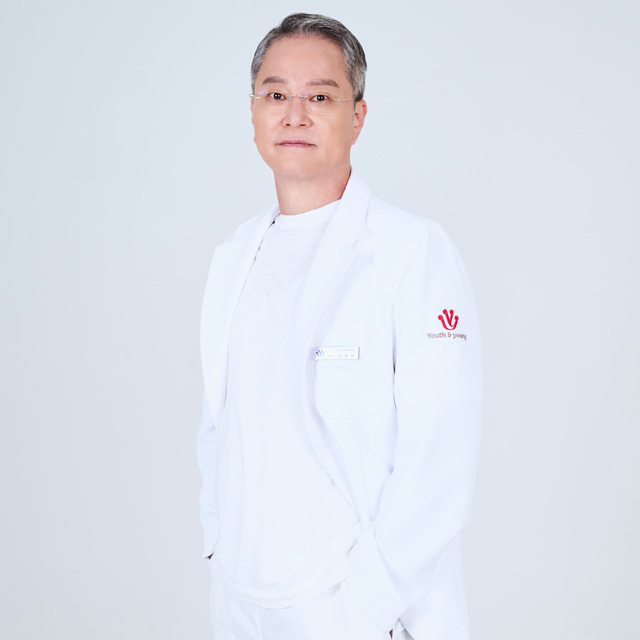
Dr. Young-yeon Hwang, the clinic's Representative Director, provides this service. She is board-certified in Anesthesiology and Pain Medicine and is the only doctor the clinic assigns to it.
Her training was at Inha University — master's coursework at the College of Medicine and residency in Anesthesiology and Pain Medicine at Inha University Hospital. Among her listed professional memberships is the Korean Society of Outpatient Anesthesia, which is the directly relevant one here: outpatient anesthesia has its own standards for selecting patients, monitoring them and deciding when they are fit to leave, and they differ from the standards that apply when a patient stays overnight.
What her record describes is a plan assembled per patient: the anesthetic chosen against general health, any underlying conditions, age and what the surgery itself demands, then monitoring while it runs and a pain plan on either side of it. She has worked with Dr. Joong-Ha Ryu's practice since 2018.
Who Is a Good Candidate for Surgical & Procedural Anesthesia?
People scheduled for a surgical or diagnostic procedure who have had a thorough pre-operative assessment.
People in stable systemic health, or whose chronic conditions are well managed — the condition that allows an anesthesia protocol to be built around the individual.
Anesthesia may need to wait, or be reconsidered, for:
Patients with severe uncontrolled systemic illness, who need pre-operative stabilisation first.
Patients with an active respiratory infection.
Patients with unmanaged heart conditions.
Patients with a known severe allergy to a specific anesthetic agent, or an acute drug interaction — these are contraindications rather than delays.
None of this list is unusual, and none of it is a judgement about the patient. It is the reason the assessment exists.
What to Expect: Procedure, Recovery, and Results Timeline

The anesthesia consultation reviews your medical history, current medications, allergies, previous experiences of anesthesia and the planned procedure. A physical examination is performed, and investigations such as blood tests or an ECG may be recommended depending on your health and surgical needs.
What happens next, in order: the anesthesia team evaluates you, explains the planned anesthetic and obtains informed consent. You are connected to the monitoring equipment. The anesthetic or sedation is administered. Your vital signs are watched throughout the procedure. The NHS describes the equivalent sequence for a general anaesthetic, including that an anaesthetist stays with the patient the whole time, monitoring heart rate, blood pressure and oxygen levels (NHS).
Preparation has a short list and a long consequence. Disclose all medications, supplements, allergies, existing medical conditions and previous anesthesia complications. Follow the clinical team's fasting instructions and medication guidance exactly, and arrange an escort or transport home if sedation or general anesthesia is planned. Avoid unapproved blood-thinning medications, supplements, alcohol and smoking as directed. Eating or drinking before anesthesia when you have not been told you may is the one preparation error that can cancel a procedure on the day.
Stage | What typically happens |
|---|---|
Before the day | Assessment, investigations where indicated, and an agreed anesthetic plan |
Induction | Monitoring attached, anesthetic or sedation given, vital signs watched continuously |
Immediately after | One to three hours of observation in an outpatient setting, until discharge criteria are met |
First 24 hours | Fatigue or reduced alertness; restrictions on driving, alcohol and decisions |
12 to 36 hours | Pain control from a long-acting regional nerve block typically lasts this long |
Aftercare begins with being monitored until you meet the appropriate discharge or transfer criteria. You then follow the instructions given on pain medication, hydration, activity restrictions, wound care where applicable, and follow-up appointments. After sedation or general anesthesia, driving, alcohol and important decisions should be avoided for the period your care team specifies.
Anesthetic effects begin wearing off shortly after administration stops, with sensation returning over several hours. Recovery from local anesthesia can be quick; sedation and general anesthesia can require several hours of observation, and some patients experience fatigue or reduced alertness for 24 hours or longer. The point at which pain fully resolves is set by the surgery rather than by the anesthetic — for major surgery that may take several weeks to months.
For patients travelling from the United States, the required stay depends entirely on the primary surgical procedure. For minor procedures a short stay of three to seven days is usually sufficient; major surgery may require ten to fourteen days or longer for proper follow-up and monitoring. Air travel depends on the procedure, recovery progress and clinician approval, and after major surgery it means waiting until pain is well managed and risks such as deep vein thrombosis or bleeding have been assessed.
Combining Surgical & Procedural Anesthesia with Other Treatments
An anesthesia protocol is frequently designed to cover several combined procedures within a single session.
General anesthesia with a supportive regional nerve block provides deep surgical relaxation alongside extended post-operative pain relief.
For minor interventions, local infiltration or topical numbing can replace sedation entirely; intravenous sedation offers faster recovery and lower risk than general anesthesia, though general anesthesia remains necessary for complex or long surgeries.
At this clinic the procedure most often paired with it is Facelift Surgery, where the anesthetic plan is part of the operative plan.
The choice between those options is made at assessment, from the procedure and the patient, and it is a clinical decision rather than a preference to be expressed in advance.
Safety, Precision, and Clinic Standards
Anaesthetic technique, equipment and training have improved markedly over the past sixty years, and the Royal College of Anaesthetists puts the resulting position in two clauses: modern anaesthesia is very safe for a patient in good health, and every procedure nonetheless carries some risk. Neither clause cancels the other.
Possible side effects include nausea, vomiting, dizziness, drowsiness, sore throat and temporary confusion. Less common but serious complications include breathing difficulties, allergic reactions, cardiovascular problems and aspiration. Specific to pain control around the procedure, the risks include inadequate pain relief, medication reactions, bleeding, infection and nerve injury with certain techniques, and opioid medications can cause serious breathing problems.
What reduces those risks is unglamorous and mostly happens before anyone is asleep: an accurate medication list, an honest account of previous anesthesia, a fasting instruction followed, and monitoring that does not stop. The clinic has not documented a proprietary anesthesia technique, and none is claimed here.
What the monitoring actually consists of
"Monitored throughout" is a phrase that appears on every clinic's anesthesia page and tells a patient very little. The equipment list is more informative, because each item answers a specific question continuously while you cannot answer it yourself.
Equipment | What it is watching |
|---|---|
Anesthesia delivery system | The drugs and gases being given, and at what rate |
Oxygen supply | Availability of oxygen independent of what the room provides |
Pulse oximeter | How much oxygen the blood is actually carrying |
Blood pressure monitor | Circulation, and the response to the anesthetic |
ECG monitoring | Heart rhythm, continuously rather than at intervals |
Capnography | Carbon dioxide in exhaled breath — the most direct check that ventilation is working |
Airway management devices | The ability to secure and maintain the airway if it is compromised |
Emergency resuscitation equipment | The response to the events everyone hopes not to see |
Additional technology may be used depending on the procedure and the facility. The reason the list is worth reading is that it describes a service with a floor: these are not optional extras selected per patient, and a facility that cannot describe its equivalent list has told you something.
The three levels, and why the lightest one is not automatically best
Patients often arrive hoping to avoid general anesthesia, and sometimes that is the right instinct. Sometimes it is not.
Local infiltration or topical numbing can replace sedation for minor interventions, and carries the least systemic risk of the three.
Intravenous sedation offers faster recovery and lower risk than general anesthesia, which makes it attractive where the procedure allows it.
General anesthesia remains necessary for complex or long surgeries, and choosing a lighter technique for a procedure that needs it is not a risk reduction — it is a different risk.
The clinic's documented position is that the choice follows the procedure, the patient's health and the comfort required. Discussing a preference is reasonable; the decision itself belongs to the assessment, and a specialist who declines to go lighter is doing the job rather than upselling.
After major surgery, the clock is set by the surgery
One point patients travelling for treatment consistently underestimate: anesthetic effects and surgical recovery run on completely different timescales, and only the second one determines when it is safe to fly. Sensation returns over several hours. Pain control from a long-acting regional block runs 12 to 36 hours. But the final resolution of pain after major surgery may take several weeks to months, and air travel clearance depends on pain being well managed and on risks such as deep vein thrombosis or bleeding having been assessed.
A patient who books a return flight around the anesthetic's duration has booked it around the wrong number.
What you can do in the weeks before
Some of what determines how an anesthetic goes is decided well before the assessment, and it is the part a patient controls. NHS guidance for planned procedures suggests making sure any long-term conditions are managed as well as possible — diabetes, high blood pressure or anaemia among them — and keeping as physically active as you can, including exercise that raises the heart rate where that is possible for you. It also suggests stopping smoking, and getting treatment for any dental problems, since the breathing tube used during a general anaesthetic can damage teeth that are already weak.
None of that is onerous, and none of it requires a clinic's involvement. For a patient travelling internationally it is also the only part of the preparation that is comfortably done at home, where your own doctor and dentist are. Raising a planned procedure abroad with them a few weeks ahead is worth more than most of what can be arranged on arrival.
Closer to the day, the instructions tighten: when to stop eating and drinking, whether to continue your usual medicines, washing, and removing jewellery, piercings and nail varnish. Those come from the clinic treating you and are specific to your procedure, so follow those rather than a general account.
Five things to settle before you fly
The clinic records what patients from the United States ask before booking, and these five come up in relation to anesthesia specifically.
Which anesthetic the procedure will use. It is answerable in advance, and the answer shapes the stay and the escort arrangements.
Who assesses you, and when. The assessment should be scheduled, not improvised on the morning of surgery.
What the complication protocol is. How the clinic handles an adverse event, and when hospital care would be required.
What the estimate covers. Anesthesia, medication and follow-up are separate items from the surgical fee.
Who you contact after you land at home. US health insurance may not cover elective cosmetic procedures or their complications, which makes this a practical question rather than a formality.
The clinic holds Korean business registration number 720-46-00344. It is a Registered Medical Institution for Attracting Foreign Patients under the Ministry of Health and Welfare, in compliance with the Medical Overseas Expansion and Foreign Patients Attraction Act. That is a registration for treating international patients; it is not a facility accreditation.
The Bottom Line
This service covers the assessment before a procedure, the anesthetic during it, monitoring throughout, and recovery to discharge criteria.
Sedation or general anesthesia is selected from the procedure and the patient's health, with local infiltration covering minor work.
Dr. Young-yeon Hwang, board-certified in Anesthesiology and Pain Medicine, is the clinic's Representative Director and provides the service.
Outpatient monitoring after anesthesia generally runs one to three hours, with alertness affected for 24 hours or longer.
The stay in Korea is set by the surgery, not by the anesthetic: three to seven days for minor procedures, ten to fourteen or more for major surgery.
Frequently Asked Questions
Who decides what anesthetic I get? The anesthesia specialist does, at the pre-operative assessment, from the procedure, your health, your medications and your previous experience of anesthesia. You should be told what is planned and why, and consent is taken after that explanation rather than before it.
Will I feel anything? The treatment itself is designed to relieve pain. You may feel minor temporary discomfort or stinging at an injection or intravenous site during administration, but the purpose of the service is to minimise pain before, during and after surgery.
How long will I be monitored afterwards? Post-anesthesia monitoring generally requires one to three hours in an outpatient setting, and discharge is against criteria rather than a clock. Fatigue or reduced alertness may continue for 24 hours or more.
Can I go home alone? No, where sedation or general anesthesia has been used. An escort or arranged transport is part of the preparation requirements, and it is something to organise before travelling rather than on the day.
How many days should I stay in Korea? It depends entirely on the surgery. A short stay of three to seven days usually covers minor procedures; major surgery may require ten to fourteen days or longer for follow-up and monitoring.
What should I disclose beforehand? All medications and supplements, allergies, existing medical conditions, previous anesthesia complications and your surgical history. Previous anesthesia complications are the item patients most often omit and the one the specialist most wants.
What should I avoid before the procedure? Unapproved blood-thinning medications, supplements, alcohol and smoking, as directed by the clinical team. Eating or drinking outside the fasting instructions must be strictly avoided — it can mean the procedure cannot safely proceed.
What if I have had a bad reaction to anesthesia before? Say so at the assessment, in detail, including what happened and where. That history changes the plan, and it is precisely the kind of information an assessment exists to collect.
Book a Consultation at Youth&Young Clinic Cheongdam
Anesthesia for surgery in Seoul is arranged around the operation, and the assessment is the part to book early. Consultations are available in English, and the clinic can explain the planned anesthetic, the monitoring, the observation period and the escort requirements before you travel. Book through the clinic contact page, or call +82-2-545-9393. The clinic is at 2F, 49 Dosan-daero 55-gil, Gangnam-gu, Seoul 06014, Republic of Korea, and is open Monday, Tuesday, Thursday and Friday from 10:00 to 19:00 KST, and Saturday from 10:00 to 15:00 KST, excluding the second and fourth Saturdays of each month.
Disclaimer
This page is for general informational purposes and does not constitute individualized medical advice. Candidacy, technique, and expected outcomes can only be determined through a consultation with a qualified physician.
Sources & Further Reading
Other Services
Explore additional treatments offered by our specialists.

Sub-Brow Lift
A sub-brow lift is a surgical procedure that removes selected excess skin, and sometimes a limited amount of underlying tissue, from the upper eyelid through an incision just below the eyebrow.
Learn More

Stem Cell Skin Treatment
Stem cell skin treatment is a broad term used for aesthetic procedures marketed to improve skin quality, texture, hydration, or visible signs of aging using cell-based materials or products described as stem-cell-derived.
Learn More

Stellate Ganglion Block
Stellate ganglion block is an injection-based procedure that delivers local anesthetic near the stellate ganglion, a group of sympathetic nerves located in the lower neck, temporarily interrupting certain sympathetic nerve signals.
Learn More