Personalized Medical Care & Dedicated International Patient Concierge


Specialty Overview
Anesthesiology & Pain Medicine
Anesthesiology and pain medicine involves assessing patients before procedures, selecting and administering appropriate anesthesia or sedation, monitoring vital functions during treatment, and helping manage pain during recovery.
Schedule a ConsultationAnesthesiology & Pain Medicine in Seoul

Medically reviewed by Dr. Young-yeon Hwang, board-certified Anesthesiology and Pain Medicine specialist Youth&Young Clinic Cheongdam, Gangnam-gu, Seoul
Anesthesiology and pain medicine involves assessing patients before procedures, selecting and administering appropriate anesthesia or sedation, monitoring vital functions during treatment, and helping manage pain during recovery. At Youth&Young Clinic Cheongdam in Seoul it is a resident specialty rather than a service bought in for the day, and the clinic's Representative Director is the specialist who holds it.
What Is Anesthesiology & Pain Medicine?
Anesthesiology and pain medicine is the medical specialty responsible for making a procedure survivable and bearable — the assessment that comes before it, the anesthetic during it, the monitoring throughout, and the pain plan afterwards.
It has two distinct arms: anesthesia care around a procedure, and the assessment and treatment of pain conditions in their own right.
Anesthesia at this clinic may involve sedation or general anesthesia, selected according to the procedure and the patient.
Equipment the specialty requires includes physiological monitoring, oxygen delivery, airway management, infusion devices and emergency resuscitation equipment.
An anesthesia or pain-management procedure may take roughly 30 to 120 minutes, with around one to three hours of observation afterwards.
Recovery varies by technique: after a local anesthetic a patient may recover quickly, while sedation or general anesthesia requires a period of observation.
Patients researching aesthetic treatment abroad tend to compare surgeons. The anesthetic arrangements are the part they discover late, usually in the consent form, and they are the part that determines who is in the room if something goes wrong.
Who Performs Anesthesiology & Pain Medicine at Youth&Young Clinic Cheongdam
|
|
Dr. Joong-Ha Ryu, MD, PhD | Dr. Young-yeon Hwang, Representative Director |
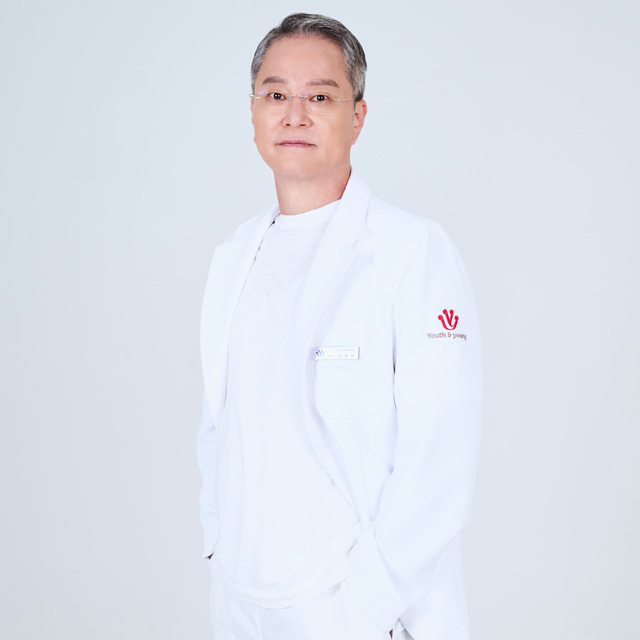

This specialty is held by Dr. Young-yeon Hwang, the clinic's Representative Director and a board-certified specialist in Anesthesiology and Pain Medicine. She is the only doctor the clinic assigns to it.
Dr. Hwang completed master's coursework at Inha University College of Medicine and residency training in Anesthesiology and Pain Medicine at Inha University Hospital. Her stated core specializations are anesthesiology and pain medicine, surgical anesthesia, pain management, and patient safety management. Her clinical work covers anesthesia planning based on a patient's general health, underlying conditions, age and surgical requirements, together with monitoring during the procedure and pain management before and after it. She also has experience in stellate ganglion block.
Her professional memberships number four, each held as a regular member: the Korean Pain Society, and the Korean societies of Anesthesiology and Pain Medicine, of Outpatient Anesthesia, and of Anesthesiology and Pharmacology. Two of those are worth separating from the rest: outpatient anesthesia is its own body of practice, because a patient who goes home the same day is assessed, monitored and discharged against different criteria than one who stays overnight.
Dr. Hwang joined Dr. Joong-Ha Ryu's practice in 2018. The clinic's own account of why this matters is directed at international patients evaluating procedural safety: having an anesthesiology specialist in-house changes who is responsible for the assessment and the monitoring, and it is reasonable to ask how that specialist is involved in the specific procedure you are considering.
Anesthesiology & Pain Medicine Services Available

Three services sit under this specialty. The first two accompany a procedure. The third is a treatment in its own right, and it is not an aesthetic one.
Service | What it covers | When it applies |
|---|---|---|
Surgical & Procedural Anesthesia | Pre-anesthesia assessment, consent, administration of the selected anesthetic or sedation, and monitoring throughout | Any surgical or diagnostic procedure requiring more than local numbing |
Peri-Operative Pain Management | Assessment and control of pain before, during and after surgery, using medicines, local or regional anesthesia, and non-medication approaches | Alongside a planned procedure, continuing into recovery |
Stellate Ganglion Block | An injection of local anesthetic near a group of sympathetic nerves in the lower neck, temporarily interrupting certain nerve signals | Selected pain conditions, after specialist assessment and diagnosis |
The third of those deserves a caution on the way past. It is offered for selected pain conditions determined by a treating physician — complex regional pain syndrome and certain neuropathic pain conditions among them. Patients sometimes ask about it for stress-related symptoms or post-traumatic stress disorder; the evidence for those uses remains limited, and it is not an established treatment for every such condition. For post-traumatic stress disorder specifically, trauma-focused psychotherapy and appropriate psychiatric care remain the established options.
Who Is a Good Candidate for Anesthesiology & Pain Medicine?
Patients who require an anesthesia assessment before surgery or a medical procedure.
Patients who need pain management around an operation.
Patients with a pain condition that may benefit from specialist evaluation.
Patients in stable systemic health, or with well-managed chronic conditions, which is what allows an anesthesia protocol to be tailored rather than postponed.
A procedure or pain treatment may be unsuitable where the patient's medical condition, medication use, allergies, bleeding risk, infection or other factors make it unsafe. In practice the clinic lists severe uncontrolled systemic illness, active respiratory infection and unmanaged heart conditions as reasons for pre-operative stabilisation before anything is scheduled, and known severe allergy to a specific anesthetic agent as a contraindication in its own right.
This is one of the few areas of a clinic's work where being told "not yet" is the service working correctly.
Where the question is a pain condition rather than an operation, anesthesia is only one of several routes and often not the first. The alternatives the clinic records are medication, physical therapy, rehabilitation, psychological approaches where indicated, and selected interventional treatments. For pain around surgery, the options run from non-opioid medicines through opioid medicines where appropriate, local or regional anesthesia, ice or elevation where indicated, relaxation techniques, and rehabilitation. These are not interchangeable in every situation, and which of them applies follows from the procedure and the patient's circumstances rather than from preference.
What to Expect: Procedure, Recovery, and Results Timeline
The consultation reviews your symptoms, your medical and surgical history, your previous experiences of anesthesia, your current medications, your allergies, and the relevant examination findings. Additional tests or specialist consultations are arranged where clinically indicated; blood tests or an ECG may be recommended depending on your health and the planned surgery. This mirrors standard practice elsewhere — the NHS describes a pre-operative assessment a few weeks before a procedure, which may involve blood tests, an X-ray, an electrocardiogram and a fitness test (NHS).
Preparation is specific and worth doing properly. Provide a complete list of medications and supplements, your allergies, your medical conditions, any previous anesthesia complications, and your relevant surgical history. Follow the fasting instructions you are given if sedation or general anesthesia is planned. Do not stop a prescribed medicine unless you are instructed to. Avoid alcohol, and ask whether smoking or any other substance needs to be stopped before your particular treatment.
Stage | What typically happens |
|---|---|
Before | Assessment, explanation of the planned anesthetic, and informed consent |
During | Monitoring equipment attached, anesthesia or sedation administered, vital signs watched throughout |
Immediately after | Recovery assessment; roughly one to three hours of observation for outpatient care |
First 24 hours | Possible fatigue or reduced alertness; restrictions on driving, alcohol and machinery until medically cleared |
Days afterwards | Pain management continues for roughly one to seven days after minor or moderate procedures |
Aftercare is mostly a list of things not to do, and the reason is that judgement recovers more slowly than consciousness does. After sedation or general anesthesia, follow the restrictions you are given on driving, alcohol, operating machinery and other activities until you are cleared. Use pain medication only at the recommended doses, do not combine sedating medicines without approval, and store them safely. Seek advice for uncontrolled or worsening pain, fever or repeated vomiting; severe breathing difficulty is an emergency.
Anesthetic effects generally wear off over hours, depending on the drugs and technique used. Pain relief is on a different schedule: it may be temporary or longer-lasting depending on the underlying condition and the treatment, and pain control from a long-acting regional nerve block typically lasts between 12 and 36 hours. For patients travelling from the United States, a stay of roughly three to seven days covers an anesthesiology or pain-medicine consultation or treatment, but the figure that actually governs is the primary surgical procedure performed, and the treating clinician confirms fitness to fly.
Combining Anesthesiology & Pain Medicine with Other Treatments

Anesthesia is provided alongside an indicated surgical or diagnostic procedure, not as a standalone event.
An anesthesia protocol can be designed to cover several combined procedures in a single session.
General anesthesia with a supportive regional nerve block provides surgical relaxation together with extended pain relief afterwards — one plan serving two purposes.
Pain management may be coordinated with rehabilitation, medication management or other appropriate treatments.
At this clinic the procedures that most often call on it are surgical: Facial Rejuvenation Surgery is the specialty where an anesthetic plan is part of the operative plan rather than a detail attached to it. Deeper resurfacing work under Laser Dermatology may also involve a nerve block or sedation rather than topical numbing alone.
Safety, Precision, and Clinic Standards
The Royal College of Anaesthetists states the position without overclaiming: if you are in good health modern anaesthetics are very safe, and all procedures have some risks (Royal College of Anaesthetists). Both halves of that sentence are load-bearing.
Possible effects of anesthesia include nausea, vomiting, dizziness, drowsiness, temporary blood-pressure changes, and a sore throat after airway instrumentation. Less common but serious complications include breathing problems, allergic reactions, aspiration, nerve injury, and other cardiovascular or neurological complications. For pain management specifically, the risks are different in kind: inadequate pain relief, medication reactions, bleeding, infection, or nerve injury with certain techniques. Opioid medications can also cause serious breathing problems, which is why dose, combination and storage are given as instructions rather than suggestions.
Local anesthesia is the gentler end of the same specialty and is not risk-free either. Serious side effects are very rare, and the possible ones are mostly minor — discomfort as the injection is given, bruising or soreness at the site, a tingling or burning sensation as it wears off, headaches, dizziness or blurred vision, twitching muscles, or continuing numbness or weakness. A severe allergic reaction is rare and usually happens within minutes, and the doctor giving the anesthetic is trained to treat it immediately (NHS).
The clinic has not documented a proprietary anesthesia technique, and none is claimed here. What it documents is the specialist, her training, her societies, and the equipment the specialty requires.
One structural point is worth stating rather than leaving to inference. A patient who has a procedure in Seoul and flies home a week later is relying, for the rest of their recovery, on clinicians who were not present for the anesthetic. The clinic's own notes on patients from the United States record this directly: access to local physicians and hospitals is generally available but varies by location and insurance, US health insurance may not cover elective cosmetic procedures or complications arising from them, and follow-up with a local clinician may be necessary after returning. What makes that handover work is paperwork — written procedure details, the medication list and the aftercare instructions, which support continuity between providers. Ask for those in writing before you leave, in English, and keep them with you on the flight rather than in checked luggage.
What international patients usually want confirmed
The clinic's own record of pre-booking questions from patients in the United States puts anesthesia near the top, and the items below recur.
What type of anesthesia the procedure uses. This is asked by name, and it is answerable before travel rather than on the day.
Who administers and monitors it. Credentials, specialty training and procedure-specific experience are the stated concern.
What the complication protocol is. Patients ask how the clinic handles an adverse event and when hospital care would be required.
What the estimate includes. Anesthesia, medication and follow-up are separate line items from the procedure fee, and a written estimate should say so.
What happens after the flight home. US health insurance may not cover elective cosmetic procedures or their complications, which makes the follow-up plan a practical question rather than a formality.
The clinic holds Korean business registration number 720-46-00344. It is a Registered Medical Institution for Attracting Foreign Patients under the Ministry of Health and Welfare, in compliance with the Medical Overseas Expansion and Foreign Patients Attraction Act. That is a registration for treating international patients; it is not a facility accreditation.
The Bottom Line
This specialty covers pre-procedure assessment, anesthesia care, monitoring during treatment, and pain management through recovery.
Dr. Young-yeon Hwang, a board-certified Anesthesiology and Pain Medicine specialist, is the clinic's Representative Director and the doctor assigned to it.
Three services sit under it: surgical and procedural anesthesia, peri-operative pain management, and stellate ganglion block.
Observation after an anesthesia or pain-management procedure is roughly one to three hours, with effects on alertness that can last 24 hours or longer.
Stellate ganglion block is offered for selected, specialist-assessed pain conditions, and is not an established treatment for every condition patients ask about it for.
Frequently Asked Questions
Will I be asleep or sedated? That is decided at the pre-anesthesia assessment, from the procedure and from your health rather than from preference alone. Anesthesia at this clinic may involve sedation or general anesthesia, and local numbing covers minor work without either.
Who will actually be giving the anesthetic? Dr. Young-yeon Hwang holds this specialty at the clinic and is board-certified in Anesthesiology and Pain Medicine. Asking which clinician is assigned to your specific procedure, and when they will assess you, is a reasonable thing to settle before you travel.
How long will I be watched afterwards? Roughly one to three hours of observation is typical in an outpatient setting, and discharge is against criteria rather than against the clock. Fatigue or reduced alertness can continue for 24 hours or longer.
Can I travel home the same week? A stay of roughly three to seven days covers consultation or treatment in this specialty, but the governing factor is the surgery you had, your recovery, and your clinician's clearance. Confirm it before booking.
What should I tell the clinic beforehand? Every medication and supplement, every allergy, every medical condition, any previous anesthesia complication, and your surgical history. Previous anesthesia complications matter more than patients expect and are the item most often left out.
What are the common side effects? Nausea, dizziness, drowsiness, temporary soreness, bruising or pain at an injection site. After general anesthesia a sore throat from the breathing tube is common. Serious complications are less common but do occur, and your doctor should explain the ones relevant to your procedure.
Is pain after surgery guaranteed to be controlled? No, and the clinic does not claim it. Pain management aims to reduce discomfort; complete elimination of pain is not guaranteed. What it can reasonably do is reduce discomfort enough to support movement and recovery.
Who should not have a stellate ganglion block? Patients with an active infection near the injection site, a relevant local-anesthetic allergy, or certain bleeding disorders may be unsuitable or need further assessment. Anticoagulant use, significant respiratory or cardiovascular conditions, altered neck anatomy, pregnancy and previous neck surgery all require careful evaluation.
Book a Consultation at Youth&Young Clinic Cheongdam
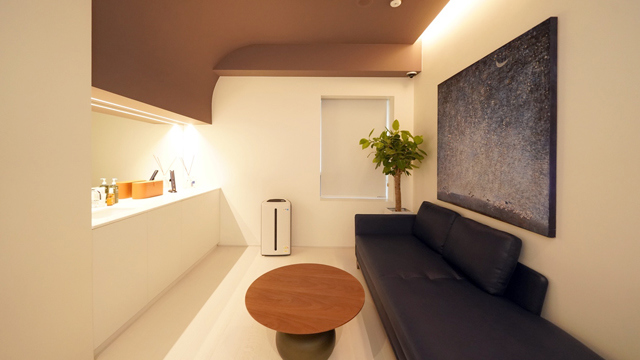
Anesthesia and pain medicine in Seoul starts with an assessment, and the assessment is the part worth arranging early rather than discovering on the day of surgery. Consultations are available in English, and the clinic can discuss the planned anesthetic, the monitoring, the recovery period and the pain plan before you commit. If your question is about an operation rather than about anesthesia alone, Facelift Surgery is the clinic's surgical page for the procedure this specialty most often supports. Book through the clinic contact page, or call +82-2-545-9393. The clinic is at 2F, 49 Dosan-daero 55-gil, Gangnam-gu, Seoul 06014, Republic of Korea, and is open Monday, Tuesday, Thursday and Friday from 10:00 to 19:00 KST, and Saturday from 10:00 to 15:00 KST, excluding the second and fourth Saturdays of each month.
Disclaimer
This page is for general informational purposes and does not constitute individualized medical advice. Candidacy, technique, and expected outcomes can only be determined through a consultation with a qualified physician.
Sources & Further Reading
Related Services
Procedures available within our clinical departments.

Sub-Brow Lift
A sub-brow lift is a surgical procedure that removes selected excess skin, and sometimes a limited amount of underlying tissue, from the upper eyelid through an incision just below the eyebrow.
Learn More

Stem Cell Skin Treatment
Stem cell skin treatment is a broad term used for aesthetic procedures marketed to improve skin quality, texture, hydration, or visible signs of aging using cell-based materials or products described as stem-cell-derived.
Learn More

Stellate Ganglion Block
Stellate ganglion block is an injection-based procedure that delivers local anesthetic near the stellate ganglion, a group of sympathetic nerves located in the lower neck, temporarily interrupting certain sympathetic nerve signals.
Learn More