Personalized Medical Care & Dedicated International Patient Concierge

Laser Dermatology · Consultation Required
UltraPulse CO₂ Laser Skin Resurfacing
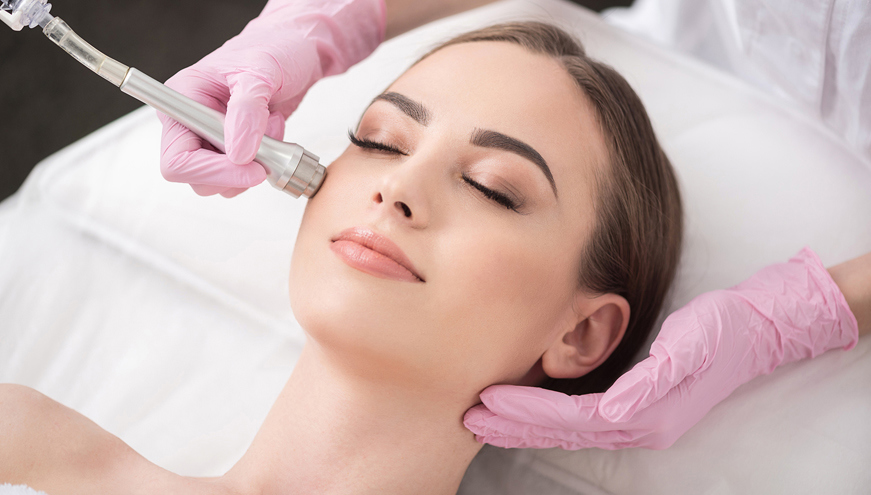
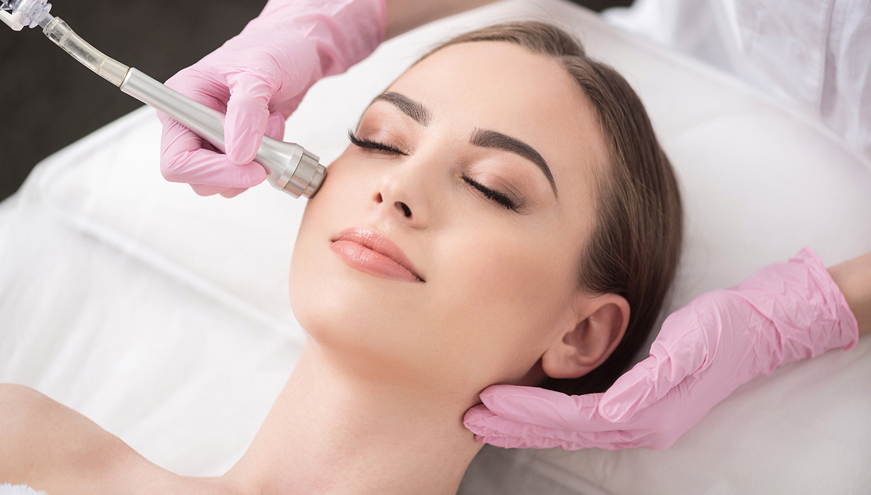
UltraPulse CO₂ Laser Skin Resurfacing is a laser treatment that uses fractional or other selected CO₂ laser delivery modes to remove or vaporize controlled amounts of skin tissue and stimulate collagen remodeling.
Schedule a ConsultationUltraPulse CO₂ Laser Skin Resurfacing in Seoul
Medically reviewed by Dr. Joong-Ha Ryu, MD, PhD.
Youth&Young Clinic Cheongdam, Gangnam-gu, Seoul
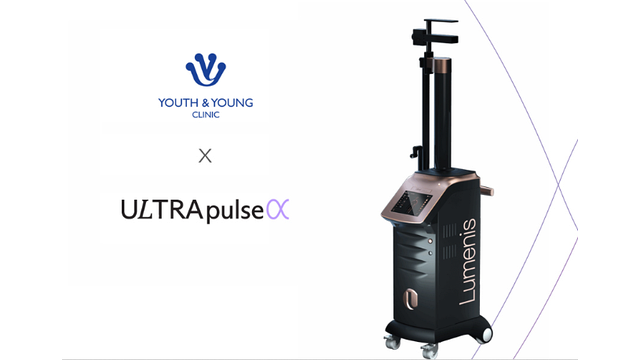
UltraPulse CO₂ Laser Skin Resurfacing is a laser treatment that uses fractional or other selected CO₂ laser delivery modes to remove or vaporize controlled amounts of skin tissue and stimulate collagen remodeling. It may be used to improve the appearance of wrinkles, acne scars, uneven skin texture, sun damage, and certain other skin concerns. At Youth&Young Clinic Cheongdam in Seoul it is the central treatment of the clinic's Laser Dermatology practice, performed on the UltraPulse system the clinic has worked with since 1993.
What Is UltraPulse CO₂ Laser Skin Resurfacing?
It is an ablative laser treatment: the beam removes tissue in a controlled way, and the skin's healing response does the rest.
UltraPulse CO₂ laser systems use carbon dioxide laser energy.
Depending on the system and handpiece, treatment may use fractional or other resurfacing modes.
Depending on the technique, the laser creates controlled microscopic treatment zones or removes more continuous layers of tissue.
Topical anesthetic cream is commonly used for selected treatments, while more intensive resurfacing may require local anesthesia, nerve blocks, or other pain-control measures.
A treatment session may take approximately 30 to 90 minutes, depending on the size of the area, the treatment intensity, and anesthesia requirements.
A newer generation of CO₂ lasers has the power to deliver very short pulsed light energy, called ultrapulsed, or continuous light beams, and that type of laser precisely removes thin layers of skin with minimal damage to surrounding tissue (American Society of Plastic Surgeons). That describes the device category this treatment is named after. It does not by itself describe any result, which depends on settings, skin and healing.
The concerns the technique is used for are broader than the ones most patients arrive with: fine lines or wrinkles around or under the eyes, forehead or mouth, scars from acne or chickenpox, skin that has not responded after a facelift, aged or sun-damaged skin, liver spots, a yellowish or greyish complexion, warts, certain birthmarks, and enlarged oil glands on the nose (ASPS). The clinic's own narrower statement for this treatment is that it may improve acne-scar appearance, fine lines, wrinkles, skin texture, and selected signs of sun damage.
Patients request it most often for acne scars, fine lines, wrinkles, rough skin texture, and visible signs of sun damage. Demand varies by country, by cultural preference, by the skin concerns people actually have, and by how accessible dermatological treatment is where they live.
Results vary according to the concern being treated, the treatment intensity, skin characteristics, and healing response. Deeper scars and wrinkles may improve without disappearing completely. That last sentence is the one to carry into the consultation.
Who Performs This Treatment at Youth&Young Clinic Cheongdam
Dr. Joong-Ha Ryu, MD, PhD
Plastic Surgeon
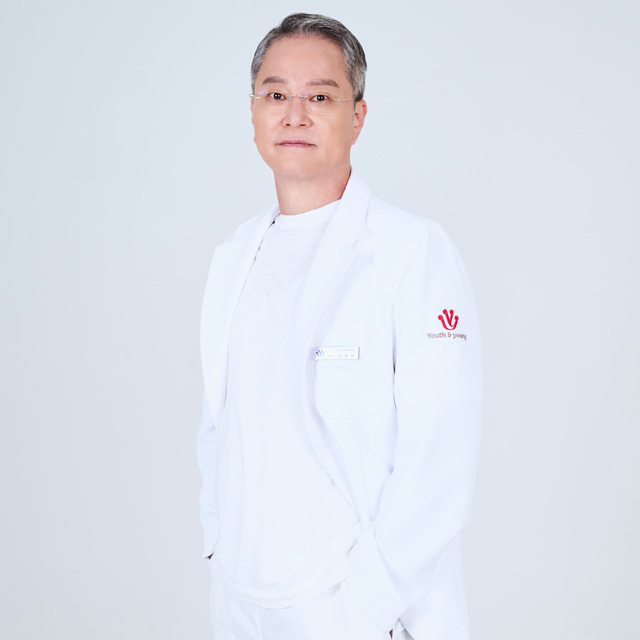
The treatment is performed by Dr. Joong-Ha Ryu.
Dr. Ryu's connection to this specific device is unusually direct. He introduced UltraPulse CO₂ laser technology to his practice in 1993, has used the system continuously since, and has worked with all four of its generations through to the current UltraPulse Alpha; the clinic states that no other practitioner in Korea has that full span. His stated subspecialty technique expertise names CO₂ laser skin resurfacing, laser deep dermabrasion, and laser-assisted skin peeling using TCA. The clinic reports that in 1995 he performed the first successful laser deep resurfacing on East Asian skin, and presented that work to the International Society of Cosmetic Laser Surgeons; the clinic's own material flags this as a claim to verify against documentation, and it is repeated here on that basis.
Training other physicians on this device is also part of the practice: Youth&Young Academy covers patient selection, UltraPulse operation, surgical technique, anesthesia and recovery management, and complication handling, including live surgery observation.
Who Is a Good Candidate?
Adults with suitable skin types seeking improvement in acne scars, wrinkles, uneven texture, or selected signs of photoaging.
People whose skin condition, medical history, scarring tendency and skin pigmentation have been assessed as appropriate.
People willing to follow the recovery and aftercare instructions, which for this treatment are not optional.
Treatment may be unsuitable, or require caution and postponement, for:
People with active skin infections, open wounds, or active inflammatory skin conditions in the treatment area.
People with a history of abnormal scarring.
People who have recently tanned.
People with a tendency toward post-inflammatory hyperpigmentation.
People with impaired wound healing, or certain medical conditions or medications.
What to Expect: Procedure, Recovery, and Results Timeline
The clinician reviews your concerns, medical history, medications, previous cosmetic procedures, history of cold sores, and skin-healing or scarring tendencies. The skin is examined for scar type, wrinkles, pigmentation and texture. Skin type and the risk of pigment changes are assessed specifically. The clinician then discusses treatment settings, expected benefits, alternatives, possible complications, downtime and aftercare. Photographs may be taken with consent.
Preparation starts earlier than most patients expect. For best results a surgeon may first start a series of skin treatments to prepare the skin, often beginning six weeks or more before the scheduled procedure, customized to the skin type in order to minimize complications. Before treatment, avoid tanning and excessive sun exposure, inform the clinician about medications, previous laser treatments, cold sores and any pigmentation concerns, follow instructions on skincare products and medication, and report any active skin infection or irritation.
On the day, the skin is cleansed and topical or other appropriate anesthesia is administered. Protective eyewear is used. The laser is applied to the planned area at settings selected for your skin and treatment goals. The skin is then cared for according to the prescribed wound-care protocol.
Stage | What typically happens |
|---|---|
Immediately after | Redness, swelling, burning, discomfort, oozing and crusting are possible |
Fractional treatment | Initial healing may take approximately 3–10 days |
Fully ablative resurfacing | Around 1–2 weeks or longer for the skin surface to heal |
Weeks after | Redness and sensitivity can persist, especially after deeper treatments |
Months 3–6 | Results may continue to develop as collagen remodeling proceeds |
Aftercare is a protocol rather than advice. Follow the prescribed cleansing and wound-care routine, and use recommended ointments or dressings where indicated. Do not pick crusts or peeling skin. Avoid irritating skincare products until the skin has healed and the clinician approves their use. Protect the treated area from sunlight and use sunscreen when appropriate for the stage of healing. Avoid activities that may interfere with healing. Watch for worsening pain, spreading redness, pus, fever, or other signs of infection.
Early improvement may become noticeable once the treated skin heals, but redness and ongoing collagen remodeling can affect the appearance for weeks to months. Improvements in scars and texture can be long-lasting. They are not permanent protection against aging, sun damage, or new acne. Longevity depends on the treatment, the skin condition, skincare, sun exposure and natural aging.
Some patients need one session; others require multiple. Follow-up visits depend on the depth of treatment and on the clinic's wound-healing protocol. For patients travelling, the depth of the treatment decides the length of the stay, and that is settled at consultation rather than assumed from the flight schedule.
After the treatment is finished, a specialized dressing is applied to protect the treated tissues, and further dressing changes or specialized topical treatments may be needed to support healing. On an ablative treatment that dressing regime is the treatment's second half, not an afterthought, and it is the part a patient carries out alone.
Recovering once you have left the clinic
The questions patients raise after leaving are consistent enough that the clinic lists them, and on an ablative laser treatment most of them have a definite answer worth getting in writing before you go.
How long the visible effects last, and which of them are expected rather than wrong.
Which symptoms warrant medical advice rather than patience.
When a long flight is appropriate, which on a deeper treatment is not the day of the appointment.
How to carry out the wound-care routine and keep the area clean.
Which warning signs need urgent attention: worsening pain, spreading redness, pus, fever.
When exercise, work and ordinary routine can resume.
What the prescribed medications are for and what to avoid alongside them.
Whether remote follow-up can be arranged from your own country.
Where to seek medical attention locally if something develops at home.
When the skin has settled enough for the result to be judged at all.
Health insurance at home generally does not cover elective cosmetic treatment or its complications, so the practical fallback is a local clinician working from written notes. Procedure details, a medication list and aftercare instructions in English are what make that handover possible, and they are worth asking for before you fly rather than emailing for afterwards.
Alternatives and Combinations
Alternative | How it compares |
|---|---|
Fractional non-ablative lasers | Less surface injury and shorter recovery; generally more sessions needed |
Fractional Er:YAG lasers | Ablative, with a different depth and recovery profile |
Microneedling, with or without radiofrequency | Less downtime; different mechanism |
Chemical peels | Surface-level; depth is chemically rather than optically controlled |
Scar-specific treatments | Targeted at one scar type rather than the whole field |
Two laser families are commonly used for resurfacing: carbon dioxide and erbium. Both work to vaporize superficial, damaged skin cells, and the erbium type is typically used to remove superficial and moderately deep lines and wrinkles on the face, and can also be used on the neck, chest or hands. Where a device sits on that map is a clinical choice, not a product preference, and the choice is made after the skin has been examined.
Non-ablative options generally involve less surface injury and shorter recovery, but usually require more sessions to reach a comparable endpoint. That trade is the whole decision in one line: recovery time now against appointment count later. Neither column is free, and a patient with two weeks in Korea and a patient with two years at home are solving different problems.
CO₂ resurfacing can provide more substantial improvement for selected concerns but usually involves greater downtime and greater risk. This treatment may also be combined with microneedling, scar subcision, or selected injectable procedures, depending on the skin concerns being addressed.
Safety, Precision, and Clinic Standards
Possible effects include redness, swelling, burning, discomfort, oozing, crusting and temporary skin sensitivity. Complications can include infection, prolonged redness, delayed healing, acne or milia, scarring, changes in skin pigmentation, and rarely other eye or skin injuries. The risk of prolonged pigment changes may be higher in darker skin tones, which is why skin type is assessed before settings are chosen rather than after.
Settings are not fixed here. Intensity, depth and handpiece are each selected against the individual's skin condition, their age and what the treatment is meant to achieve. Eye protection is used as standard, and the face is cleaned before treatment begins.
Laser resurfacing can be painful, which is why the skin may be numbed with local anesthetics and a sedative may be given to help the patient relax; where resurfacing is extensive, or where other cosmetic procedures are being carried out at the same time, a general anesthetic may be used instead. At this clinic the anesthetic decision sits with Dr. Young-yeon Hwang, the Representative Director and a board-certified anesthesiology and pain medicine specialist, who plans around the patient's general health, underlying conditions and age.
Operator experience is one of the three factors the clinic names as determining risk, alongside skin characteristics and device settings. That is not a marketing point but a reason to ask who will be holding the handpiece, and how often they hold it.
The clinic holds Korean business registration number 720-46-00344. It is a Registered Medical Institution for Attracting Foreign Patients under the Ministry of Health and Welfare, in compliance with the Medical Overseas Expansion and Foreign Patients Attraction Act. That is a registration for treating international patients; it is not a facility accreditation.
The Bottom Line
UltraPulse CO₂ laser skin resurfacing removes or vaporizes controlled amounts of tissue and stimulates collagen remodeling.
A session takes approximately 30 to 90 minutes, depending on area, intensity and anesthesia.
Initial healing takes roughly 3 to 10 days after fractional treatment, and 1 to 2 weeks or longer after fully ablative resurfacing.
The risk of prolonged pigment change may be higher in darker skin tones, so skin type is assessed before settings are selected.
Deeper scars and wrinkles may improve without disappearing completely.
Frequently Asked Questions
How much downtime will I actually need? Initial healing after fractional treatment may take approximately three to ten days. More intensive or fully ablative resurfacing may require around one to two weeks or longer for the surface to heal. Redness and sensitivity can persist for several weeks beyond that, particularly after deeper treatments.
Is this suitable for darker skin? It can be, but the assessment is more careful. The risk of prolonged pigment change may be higher in darker skin tones, and a tendency toward post-inflammatory hyperpigmentation is one of the factors that calls for caution or postponement. Raise it directly; it should change the plan, not just the consent form.
Do I need to prepare my skin before the appointment? Possibly, and possibly well in advance. A preparatory series of skin treatments customized to your skin type may begin six weeks or more before the procedure, and its purpose is to reduce complications. Avoiding tanning and sun exposure beforehand is required rather than recommended.
Will one session be enough? Some patients need one session and others require multiple. The number depends on the concern, the intensity used and how the skin responds. Follow-up visits depend on treatment depth and the clinic's wound-healing protocol.
Does it hurt? Topical anesthetic cream is commonly used for selected treatments, and more intensive resurfacing may require local anesthesia, nerve blocks or other pain-control measures. Patients may feel heat, stinging or discomfort during treatment, and burning or tightness afterward.
What should make me call the clinic during recovery? Worsening pain, spreading redness, pus, fever, or other signs of infection. Crusting and peeling are expected and should be left alone rather than picked. If you are unsure whether what you are seeing is healing or a problem, treat the question as worth asking.
How long do the results last? Improvements in scars and texture can be long-lasting, but they do not protect against future aging, sun damage or new acne. Longevity depends on the treatment, the skin condition, skincare and ongoing sun exposure. Results may continue developing for approximately three to six months before they settle.
Who do I contact once I am home? Contact the clinic through its contact page, by phone on +82-2-545-9393, or by email at info@youthandyoungcheongdam.com. Worsening symptoms are reported, not endured. Where a reply cannot be had within a few hours and the symptom is getting worse, a doctor where you are takes precedence over waiting for one here.
Book a Consultation at Youth&Young Clinic Cheongdam
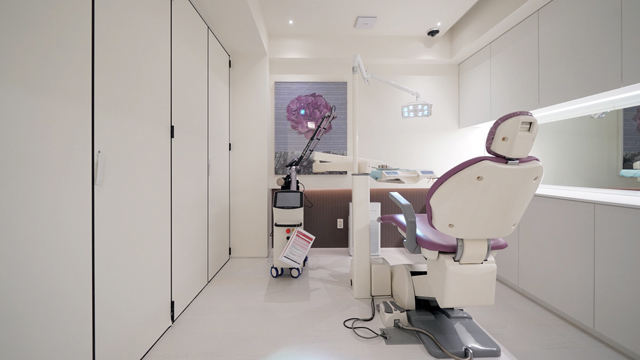
UltraPulse CO₂ laser skin resurfacing in Seoul begins with an examination of the skin, an assessment of skin type and pigment risk, and a discussion of settings, downtime and aftercare before anything is scheduled. Consultations are available in English. Book through the clinic contact page, or call +82-2-545-9393. The clinic is at 2F, 49 Dosan-daero 55-gil, Gangnam-gu, Seoul 06014, Republic of Korea, and is open Monday, Tuesday, Thursday and Friday from 10:00 to 19:00 KST, and Saturday from 10:00 to 15:00 KST, excluding the second and fourth Saturdays of each month.
Disclaimer
This page is for general informational purposes and does not constitute individualized medical advice. Candidacy, technique, and expected outcomes can only be determined through a consultation with a qualified physician.
Sources & Further Reading
Other Services
Explore additional treatments offered by our specialists.

Sub-Brow Lift
A sub-brow lift is a surgical procedure that removes selected excess skin, and sometimes a limited amount of underlying tissue, from the upper eyelid through an incision just below the eyebrow.
Learn More

Stem Cell Skin Treatment
Stem cell skin treatment is a broad term used for aesthetic procedures marketed to improve skin quality, texture, hydration, or visible signs of aging using cell-based materials or products described as stem-cell-derived.
Learn More
Stellate Ganglion Block
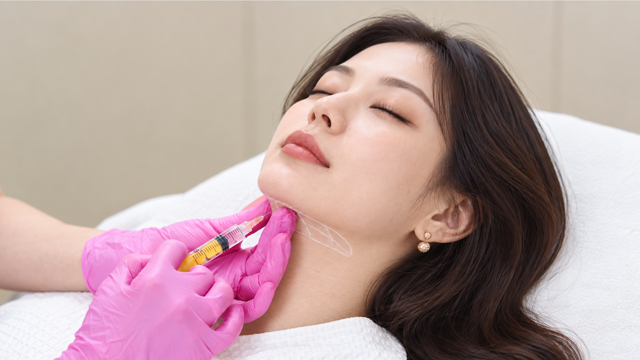
Stellate ganglion block is an injection-based procedure that delivers local anesthetic near the stellate ganglion, a group of sympathetic nerves located in the lower neck, temporarily interrupting certain sympathetic nerve signals.
Learn More