Personalized Medical Care & Dedicated International Patient Concierge


Specialty Overview
Facial Rejuvenation Surgery
Facial rejuvenation surgery is the group of operations that reposition or tighten the tissues of the face and neck, and remove or redrape excess skin, in order to reduce visible signs of aging.
Schedule a ConsultationFacial Rejuvenation Surgery in Seoul

Medically reviewed by Dr. Joong-Ha Ryu, MD, PhD.
Youth&Young Clinic Cheongdam, Gangnam-gu, Seoul
Facial rejuvenation surgery refers to surgical procedures designed to address visible signs of aging, such as facial skin laxity, deeper folds, jowls, neck sagging, or changes around the eyes and brows. Patients who come to Youth&Young Clinic Cheongdam in Seoul for facial rejuvenation surgery are usually looking at changes that creams and energy-based treatments no longer reach. The procedure is selected according to the patient's anatomy and goals, not from a fixed menu.
What Is Facial Rejuvenation Surgery?
Facial rejuvenation surgery is the group of operations that reposition or tighten the tissues of the face and neck, and remove or redrape excess skin, in order to reduce visible signs of aging.
Depending on the treatment plan, the surgeon may make incisions in discreet locations, reposition or tighten underlying tissues, remove or redistribute excess skin, and close the incisions.
General anesthesia, or local anesthesia with sedation, may be used, depending on the procedure and its complexity.
Surgery may take approximately two to five hours, depending on the procedure and whether multiple areas are treated.
Instruments used include surgical instruments, electrocautery devices for tissue dissection and bleeding control, surgical lighting, and monitoring equipment for anesthesia and vital signs.
The specific equipment depends on the procedure and the surgical facility.
The operation performed under this specialty at the clinic is Facelift Surgery, with eyelid, brow and neck procedures combined with it where the assessment calls for them.
Patients seek facial rejuvenation surgery to achieve a fresher, more youthful appearance, to improve facial definition, and to address age-related changes that may not respond sufficiently to non-surgical treatments. That last clause is the practical dividing line, and it is the one most worth testing before booking anything.
The American Society of Plastic Surgeons describes a facelift as a surgical procedure that improves visible signs of aging in the face and neck, including relaxation of facial skin causing sagging, deepening of the fold lines between the nose and the corner of the mouth, fat that has fallen or disappeared, jowls developing in the cheeks and jaw, and loose skin and excess fat of the neck (American Society of Plastic Surgeons). That list is a useful way to check whether what bothers you is actually a surgical concern. It is equally useful for what it leaves out.
Who Performs Facial Rejuvenation Surgery at Youth&Young Clinic Cheongdam
|
|
Dr. Joong-Ha Ryu, MD, PhD | Dr. Young-yeon Hwang, Representative Director |
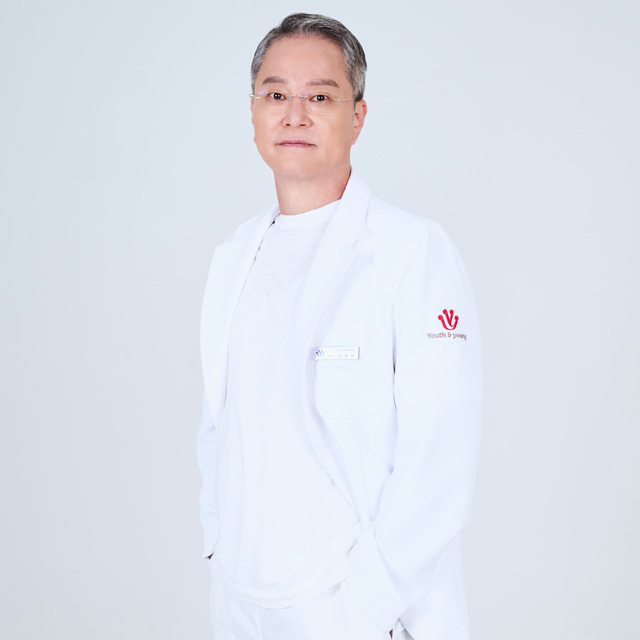
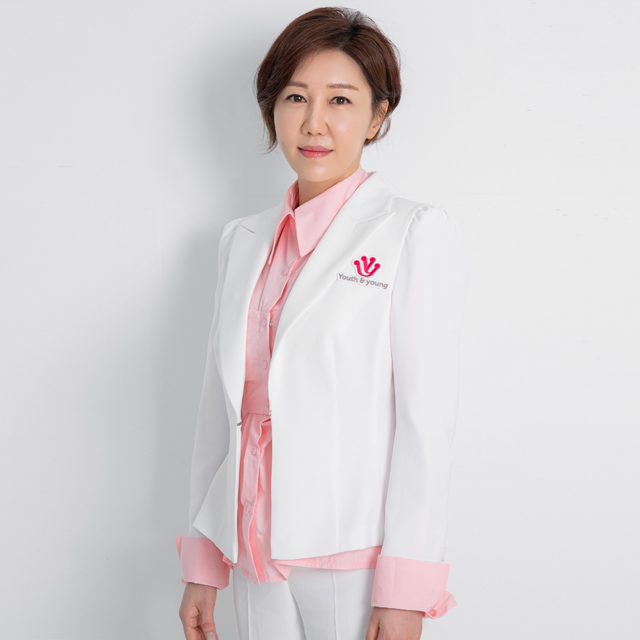
Facial rejuvenation surgery at the clinic is performed by Dr. Joong-Ha Ryu.
Dr. Joong-Ha Ryu, MD, PhD, is the clinic's Director and Medical Advisor. His career in laser cosmetic surgery spans more than three decades. He founded the clinic in 1993 and has been its medical lead since. He also teaches surgical design, technique, anesthesia and recovery management, and complication handling to visiting physicians through Youth&Young Academy. His background matters to a surgical rejuvenation plan because skin quality and surface texture are assessed in the same consultation as tissue laxity, and the two are treated by different means rather than by one procedure.
The clinic operates as a multidisciplinary team. Dr. Young-yeon Hwang, the Representative Director, is a board-certified specialist in anesthesiology and pain medicine, and anesthesia planning and intraoperative monitoring fall to her.
Facial Rejuvenation Surgery Options and Alternatives

Surgery is not the only route to a refreshed appearance, and it is not interchangeable with the alternatives. The table below sets out what the clinic's own source material says about the difference.
Approach | What it does | What it cannot do |
|---|---|---|
Surgical facial rejuvenation | Repositions or tightens underlying tissue, removes or redrapes excess skin, and changes facial contour structurally | Stop aging, eliminate every wrinkle, or guarantee perfect symmetry |
Injectable treatments | Address selected volume and line concerns without incisions | Reproduce the structural change achievable with surgery |
Energy-based skin tightening | Firms selected areas of mild laxity with little or no downtime | Match the degree of tissue repositioning a surgical lift achieves |
Laser and skin-resurfacing treatments | Improve surface texture, tone and fine lines | Lift tissue that has descended |
The same point is made in plainer terms by the American Society of Plastic Surgeons: as a restorative surgery, a facelift does not change your fundamental appearance and cannot stop the aging process, and minimally invasive rejuvenation treatments cannot achieve the same results, though they may delay the time at which surgery becomes appropriate.
Who Is a Good Candidate for Facial Rejuvenation Surgery?
Candidacy is decided in consultation, not from a photograph. The Foundation criteria the clinic works from are:
Adults with facial or neck skin laxity.
Adults with jowls or other age-related changes to the lower face.
Patients in suitable health for surgery.
Patients with realistic expectations about the results.
Further assessment or treatment before surgery may be needed by:
Patients with certain uncontrolled medical conditions.
Patients with significant anesthesia risks.
Patients with active infections.
Patients with healing problems.
What to Expect: Procedure, Recovery, and Results Timeline
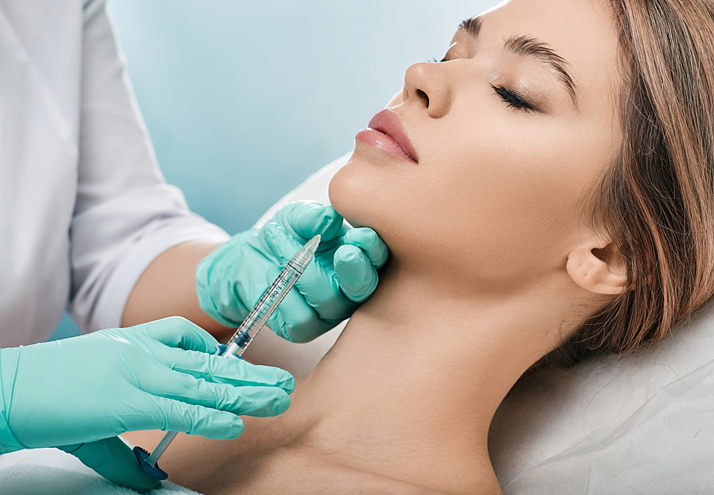
The surgeon reviews medical history, medications, previous procedures, skin quality, facial structure, and the patient's goals. They explain suitable procedures, expected outcomes, risks, and recovery requirements. Before surgery, disclose medical conditions, allergies, medications, supplements, smoking, and previous facial procedures. Follow instructions about medication adjustments, smoking cessation, fasting, and arranging transportation and postoperative assistance.
Stage | What typically happens |
|---|---|
Day of surgery | Surgery takes approximately two to five hours depending on the procedure and the number of areas treated |
First 1–2 weeks | Bruising and swelling are common; recovery varies by procedure and by patient |
Weeks 2–4 | Many patients resume normal daily activities, depending on healing and surgical extent |
Several weeks on | Strenuous activity may still be restricted; subtle swelling may persist |
Months 3–12 | Results refine as tissues settle; the final result becomes assessable |
Aftercare follows the surgical team's instructions for incision care, medications, sleeping position, activity restrictions, and follow-up visits. Avoid strenuous exercise until cleared. Protect healing skin from the sun. Contact the surgical team if symptoms develop.
For patients travelling from abroad, the clinic's guidance is to plan for around 10 to 14 days in Korea for initial recovery and postoperative follow-up, and more extensive procedures may require a longer stay. Fly home only after your surgeon confirms that it is safe, and allow enough time for postoperative reviews before arranging the return flight.
Results do not appear at once. Initial results become more apparent as swelling subsides over several weeks, with further refinement over subsequent months. Results may last for years, but longevity depends on the procedure, aging, skin quality, lifestyle, and individual healing.
What the consultation covers for patients travelling from abroad
Patients who contact the clinic from the United States tend to raise the same set of questions, and the consultation is built to answer them rather than to work around them. The clinic's own record of those questions covers the surgeon's qualifications and experience with the specific procedure, whether the proposed operation is the right one for the concern being described, what a realistic outcome looks like and where its limits are, which risks apply and how anesthesia will be handled, the full cost including anesthesia, medication and follow-up, the recovery timeline and when normal activity resumes, how long to stay in Korea and when the return flight is safe, and what happens if a problem appears after returning home.
Two of those deserve raising early rather than late. The first is total cost, because procedure fees, anesthesia, medication, accommodation and travel are separate lines and a quote covering only the first is not a quote. The second is continuity of care: a written treatment plan, a medication list and aftercare instructions in English are what allow a clinician at home to pick up where the surgical team left off.
Aftercare once you have left Seoul
Recovery guidance is matched to the treatment actually performed rather than issued as a generic sheet.
Aftercare instructions are provided in English, covering skincare, medications and recovery precautions.
Expected downtime is stated in advance, including redness, swelling and skin sensitivity.
Advice on flying, sun exposure and resuming daily activity is given before you travel, not after.
Remote follow-up after returning home may be arranged.
Instructions state when to contact the clinic if an unexpected symptom appears.
Combining Facial Rejuvenation Surgery with Other Treatments
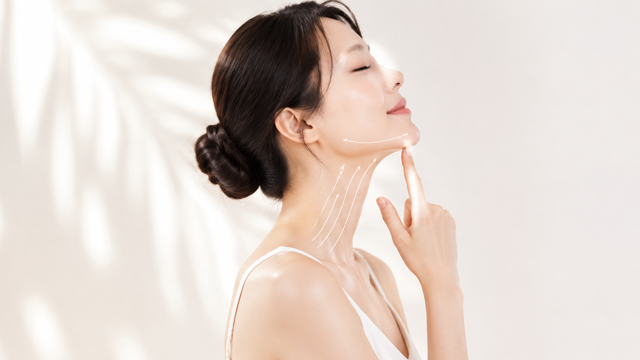
Depending on individual needs, a facelift may be combined with other procedures the clinic performs:
A neck lift, where sagging below the jawline is part of the concern.
Eyelid surgery, where upper or lower eyelid change contributes to a tired appearance.
A brow lift, where brow position is part of what reads as aging.
Combining procedures may increase operating time, recovery needs, and risks, so suitability must be assessed by the surgeon.
Safety, Precision, and Clinic Standards
Potential risks of facial rejuvenation surgery include swelling, bruising, bleeding, infection, scarring, asymmetry, changes in sensation, delayed healing, anesthesia-related complications, and possible revision surgery. Specific risks vary by procedure. A facelift can occasionally result in nerve injury with loss of sensation or movement in the face, asymmetrical facial features including the position of the earlobe, hair loss or a small but permanent reduction in hair growth around the scars, thick obvious scars, and problems healing (NHS). Any operation also carries a small risk of excessive bleeding, a blood clot in a vein, infection, and allergic reaction to the anaesthetic.
The clinic holds Korean business registration number 720-46-00344. It is a Registered Medical Institution for Attracting Foreign Patients under the Ministry of Health and Welfare, in compliance with the Medical Overseas Expansion and Foreign Patients Attraction Act. That is a registration for treating international patients; it is not a facility accreditation.
Dr. Hwang is a regular member of the Korean Society of Anesthesiology and Pain Medicine, the Korean Society of Outpatient Anesthesia, the Korean Society of Anesthesiology and Pharmacology, and the Korean Pain Society. She completed residency training in anesthesiology and pain medicine at Inha University Hospital. Her stated professional focus is surgical anesthesia, pain management and patient safety management.
Anesthesia at the clinic is handled by an in-house anesthesiology and pain medicine specialist rather than arranged externally. Anesthesia planning takes account of the patient's general health, underlying conditions, age, and surgical requirements. Intraoperative monitoring and pre- and postoperative pain management are part of the same plan.
Before committing to any procedure abroad, national health guidance is to research the procedure, understand all the costs including aftercare, choose a practitioner trained and experienced in the procedure you are having, ask what could go wrong, and take time to decide, with a cooling-off period offered after any consultation (NHS cosmetic procedures guidance). You can walk away if you are not completely comfortable.
The Bottom Line
Facial rejuvenation surgery addresses skin laxity, jowls, deeper folds and neck sagging by repositioning tissue and removing or redraping excess skin.
Two surgeons perform it at Youth&Young Clinic Cheongdam, each with more than 30 years of clinical experience.
Surgery typically takes two to five hours; bruising and swelling are common for the first one to two weeks.
The clinic advises international patients to plan around 10 to 14 days in Korea before flying home.
Surgery does not stop the natural aging process, and results vary between patients.
Frequently Asked Questions
Is facial rejuvenation surgery the same thing as a facelift?
A facelift is one operation within facial rejuvenation surgery, and it is the procedure the clinic lists under this specialty. Facial rejuvenation surgery is the broader category, which also covers work on the neck, eyelids and brows. Which combination is appropriate depends on where the change you want is coming from.
How do I know whether I need surgery or a non-surgical treatment?
Non-surgical options address surface quality and mild laxity; surgery addresses tissue that has descended. A consultation that assesses skin quality and facial structure separately is what separates the two. Treatments that cannot reproduce structural change should not be presented as if they can.
Will the result look natural?
Surgery may improve facial contours, reduce the appearance of sagging, and create a more refreshed appearance. It does not eliminate every wrinkle and does not guarantee perfect symmetry. Asking the surgeon what the operation will not change is as useful as asking what it will.
What anesthesia will be used, and who manages it?
General anesthesia, or local anesthesia with sedation, may be used depending on the procedure and its complexity. At this clinic anesthesia is planned and monitored by a board-certified anesthesiology and pain medicine specialist on staff. Pain relief and postoperative medication follow the surgeon's plan.
How long until I can go back to work?
Bruising and swelling are common during the first one to two weeks, and many patients resume normal daily activities over two to four weeks. Strenuous activity usually waits longer than ordinary daily routine. The timing varies by procedure and by how you heal.
I am flying in from overseas. How should I plan the trip?
Plan for around 10 to 14 days in Korea for initial recovery and postoperative follow-up, and longer if the procedure is more extensive. Book the consultation and surgery before travelling, and do not book a fixed return flight you cannot move. Your surgeon confirms when flying is safe.
How do I check the surgeon before I book?
Research the surgeon who will carry out the operation, and ask how many of this procedure they have performed and where there have been complications. Ask what follow-up to expect if something goes wrong. Both doctors who perform this surgery here are named on the clinic website with their qualifications and professional history, which is the starting point rather than the whole answer.
What happens if something looks wrong after I get home?
Contact the clinic directly through its contact page, by phone on +82-2-545-9393, or by email at info@youthandyoungcheongdam.com. Severe pain or any unexpected symptom should go to the clinic that performed the operation as soon as possible. If you cannot reach us quickly, seek local medical attention first.
Book a Consultation at Youth&Young Clinic Cheongdam
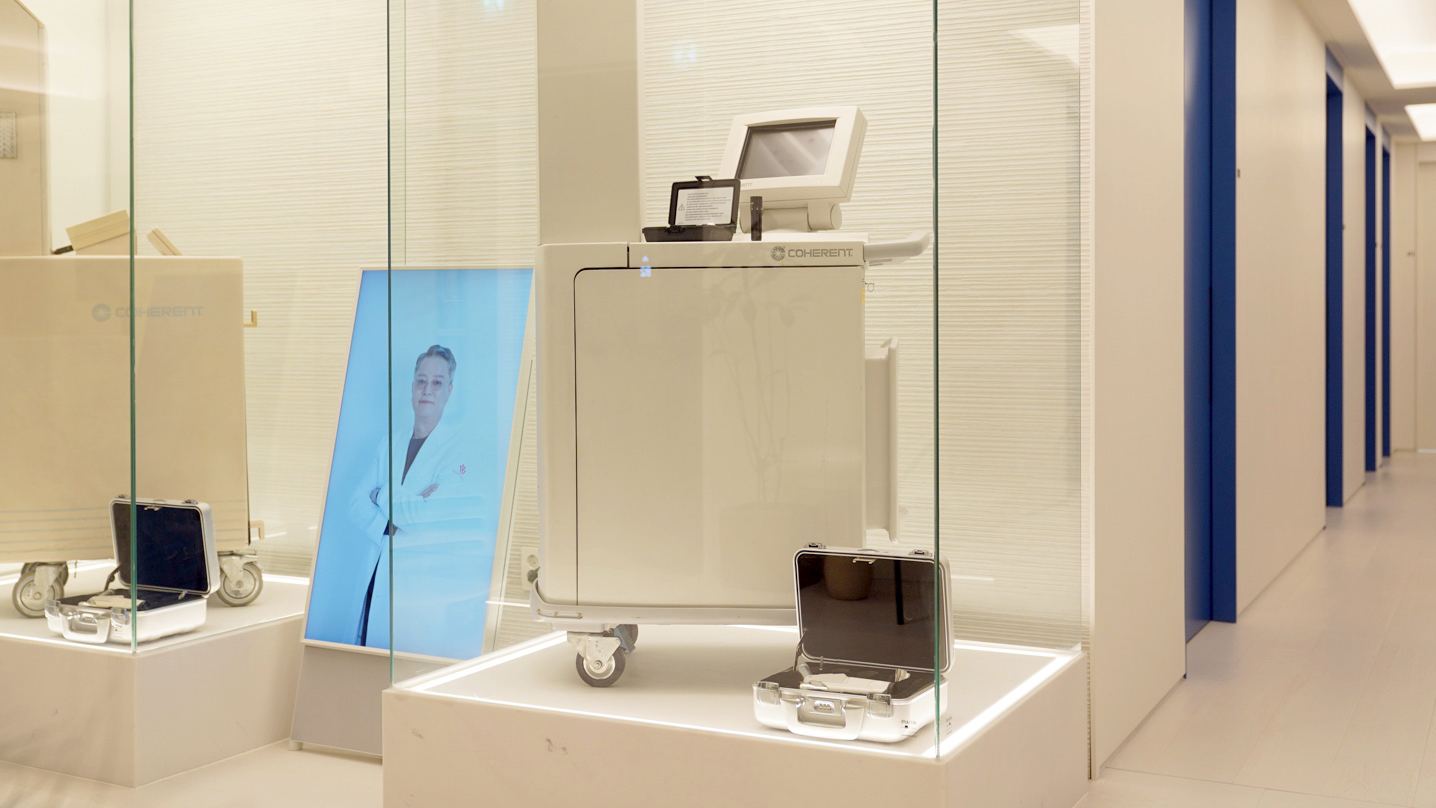
Facial rejuvenation surgery in Seoul starts with an assessment of your facial structure, skin quality and goals, and ends with a written plan you can take away and think about. Consultations are available in English. Book through the clinic contact page, or call +82-2-545-9393. The clinic is at 2F, 49 Dosan-daero 55-gil, Gangnam-gu, Seoul 06014, Republic of Korea, and is open Monday, Tuesday, Thursday and Friday from 10:00 to 19:00 KST, and Saturday from 10:00 to 15:00 KST, excluding the second and fourth Saturdays of each month.
Disclaimer
This page is for general informational purposes and does not constitute individualized medical advice. Candidacy, technique, and expected outcomes can only be determined through a consultation with a qualified physician.
Sources & Further Reading
Related Services
Procedures available within our clinical departments.

Sub-Brow Lift
A sub-brow lift is a surgical procedure that removes selected excess skin, and sometimes a limited amount of underlying tissue, from the upper eyelid through an incision just below the eyebrow.
Learn More

Stem Cell Skin Treatment
Stem cell skin treatment is a broad term used for aesthetic procedures marketed to improve skin quality, texture, hydration, or visible signs of aging using cell-based materials or products described as stem-cell-derived.
Learn More
Stellate Ganglion Block
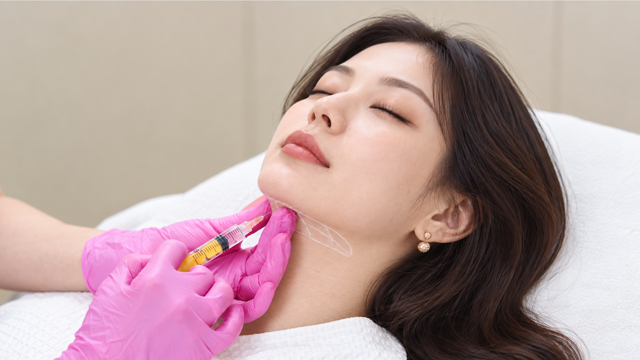
Stellate ganglion block is an injection-based procedure that delivers local anesthetic near the stellate ganglion, a group of sympathetic nerves located in the lower neck, temporarily interrupting certain sympathetic nerve signals.
Learn More