Personalized Medical Care & Dedicated International Patient Concierge

Aesthetic Injectables · Consultation Required
Dermal Filler Treatment
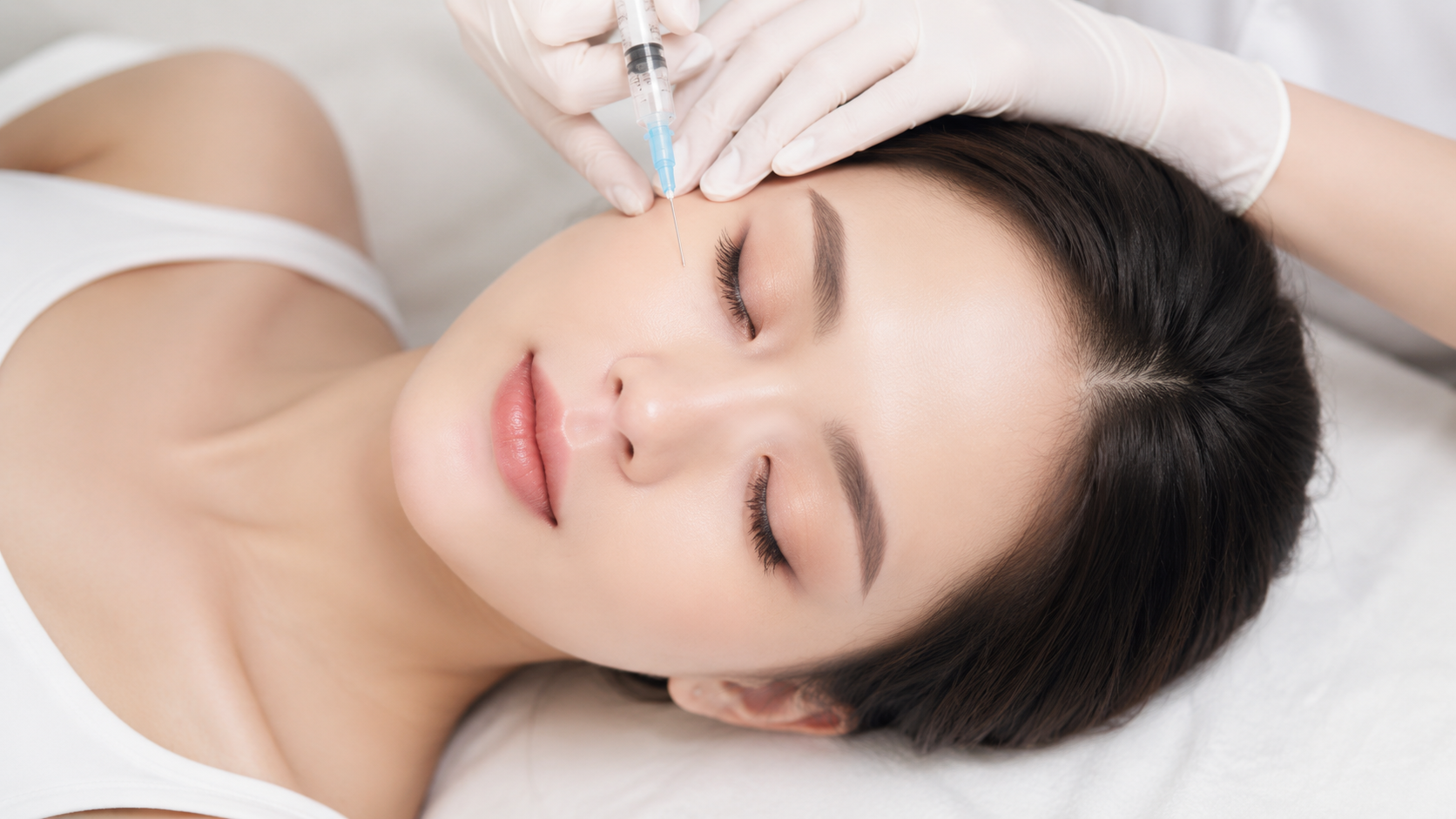
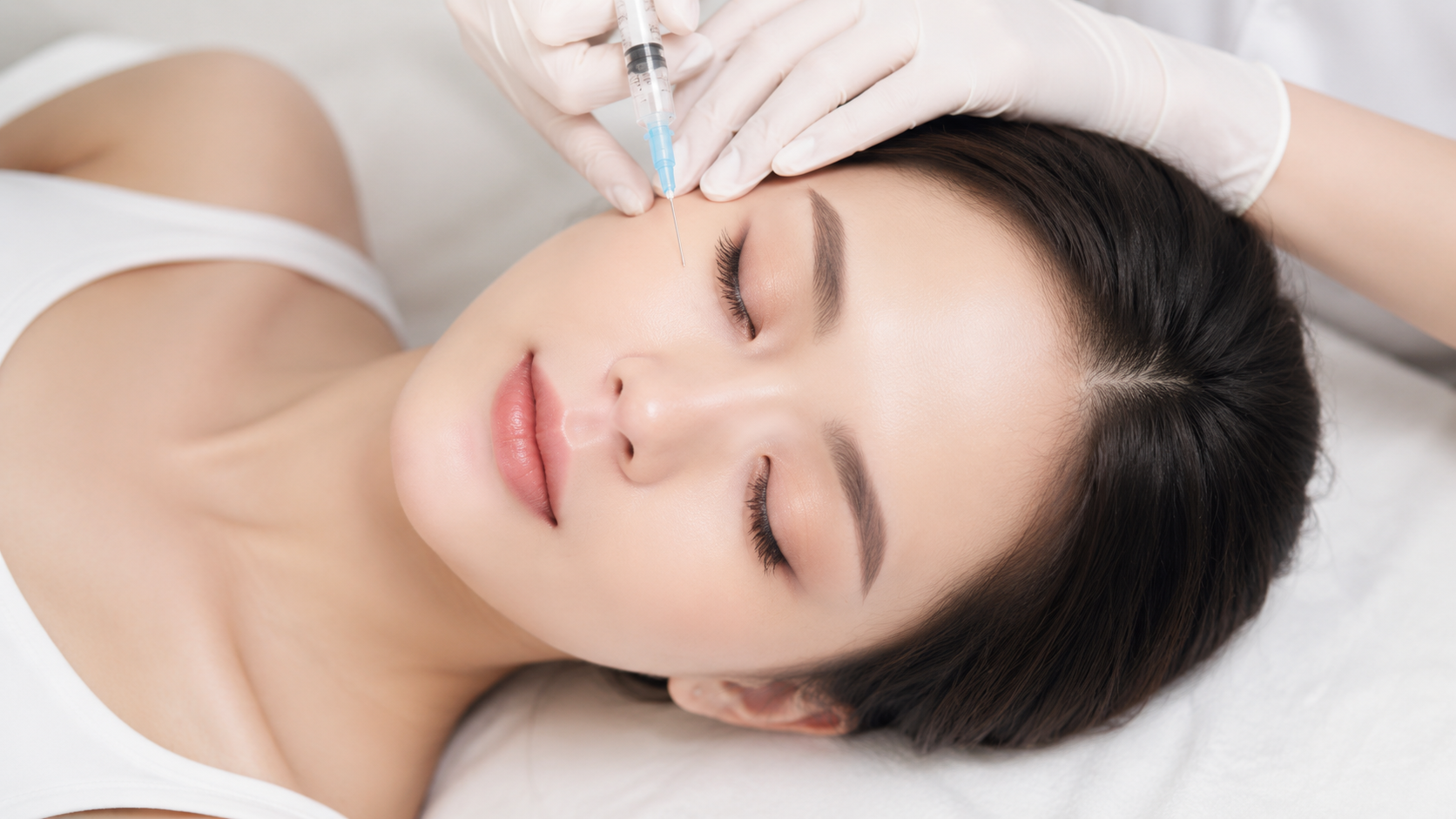
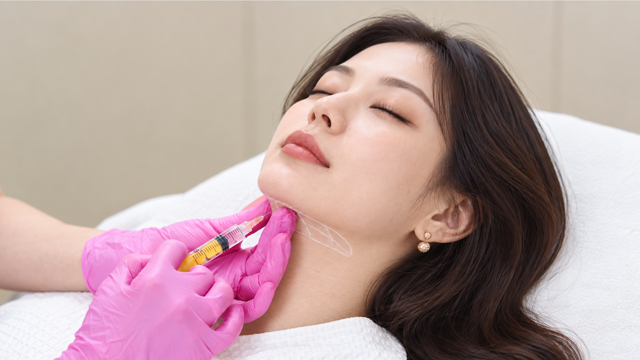
Dermal Filler Treatment is an injectable used to restore facial volume, refine contours and soften the appearance of wrinkles and folds, with the product, the placement and the quantity chosen for the individual face.
Schedule a ConsultationDermal Filler Treatment in Seoul
Medically reviewed by Dr. Joong-Ha Ryu, MD, PhD.
Youth&Young Clinic Cheongdam, Gangnam-gu, Seoul
Patients considering dermal fillers in Korea are usually describing a loss of fullness rather than a line they want erased. Dermal Filler Treatment is an injectable used to restore facial volume, refine contours and soften the appearance of wrinkles and folds, with the product, the placement and the quantity chosen for the individual face. At Youth&Young Clinic Cheongdam in Seoul it is offered under Aesthetic Injectables.
What Is Dermal Filler Treatment?
Dermal fillers are injectable materials placed under the skin to restore facial volume, enhance contours, and soften the appearance of wrinkles and folds, with the filler type, the injection sites and the amount selected according to the patient's facial features and aesthetic goals.
The effect is additive and mechanical. Something occupies space that had lost it, which is why the change is visible immediately rather than developing over weeks.
A hyaluronic acid filler is the most familiar version of this, and hyaluronic acid products generally produce an immediate volume change, although swelling can distort what you see at first.
A treatment session typically runs 15 to 60 minutes, depending on the area being treated and how much product is required.
Comfort is managed with topical numbing cream or a local anesthetic rather than with general anesthesia.
Results and their duration vary with the product, the treatment area and individual factors, and the treatment is not permanent.
The American Academy of Dermatology describes the category in similar terms and adds the practical detail patients tend to ask about first: fillers restore lost fullness to the face, lips and hands, most of them allow a return to everyday activities immediately, and the treatment is given during an office visit, with some fillers requiring a few visits (American Academy of Dermatology). The uses it lists for the category include restoring fullness to the cheeks and to deep creases, diminishing scars, erasing fine lines, plumping lips, and lifting the brow or a down-turned mouth. That describes what the category is used for generally; which of it applies to you is a matter for examination.
Who Performs Dermal Filler Treatment at Youth&Young Clinic Cheongdam
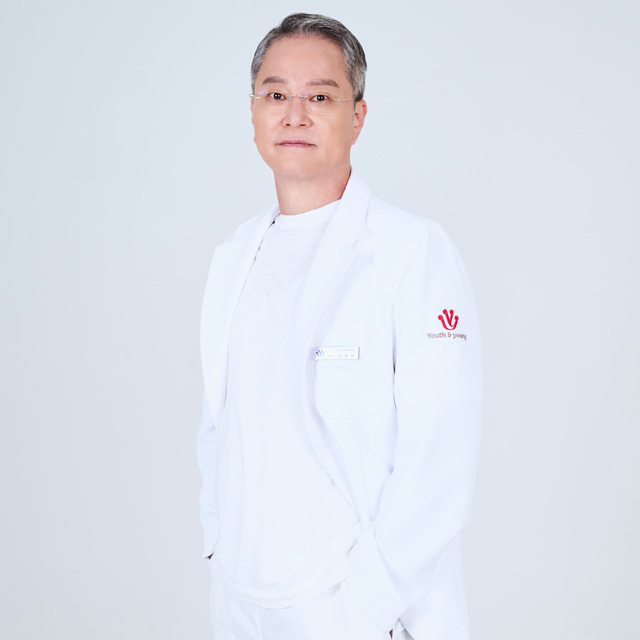
Dr. Joong-Ha Ryu, MD, PhD
Plastic Surgeon
Responsibility for this treatment rests with Dr. Joong-Ha Ryu.
Dr. Ryu holds MD and PhD degrees and is Director and Medical Advisor at the clinic. The core of his thirty-plus years has been laser cosmetic surgery, including laser-assisted work on the lower eyelid and CO₂ resurfacing. The part of that record that bears on injectable volume work is anatomical rather than technical: the periorbital region is where filler complications are most consequential, and it is the region he has spent a career operating in.
This page does not claim one doctor performs every session.
Who Is a Good Candidate for Dermal Filler Treatment?
Adults who want to improve facial volume or the appearance of wrinkles.
People whose expectations are realistic about the degree of change and about how long it lasts.
People judged suitable following a medical assessment rather than from photographs alone.
The treatment may not be suitable where any of these applies:
Pregnancy or breastfeeding.
An active infection at the site where the injection would be placed.
A known allergy to any of the filler's ingredients.
Certain medical conditions identified during assessment.
International patients can usefully begin with an online consultation using photographs, but an in-person assessment is needed before any treatment goes ahead. Photographs flatten a face; the decisions here are about depth and support, and those are made in person.
What to Expect: Procedure, Recovery, and Results Timeline

The clinic's pathway begins with an enquiry. You contact the clinic about the treatment, share your concerns along with your medical history, medications and allergies, and attend a consultation at which the face is assessed and suitability, options and risks are discussed.
That discussion is where the specific questions belong. NHS advice to anyone weighing a cosmetic procedure is to ask what the procedure involves, which products will be used and what could go wrong, and to regard a cooling-off period after the consultation as normal rather than awkward (NHS). The product question is not a formality in this category. Fillers differ from one another in composition, in how long they last and in whether they can be reversed, and a quotation that names no product is not really a quotation.
Preparation is brief: tell the doctor about your medical history, allergies, and every current medication and supplement. Alcohol is worth avoiding beforehand, and any medicine or supplement that might increase bruising should be raised with the doctor rather than stopped on your own judgement.
Stage | What typically happens |
|---|---|
The appointment | 15 to 60 minutes, depending on the treatment area and the amount of filler |
Comfort | Topical numbing cream or local anesthetic, as appropriate to the area |
Immediately after | Volume change is usually visible straight away |
First days | Swelling, redness, bruising and tenderness at the injection sites |
One to two weeks | Swelling settles and the result becomes clear enough to judge properly |
Aftercare is short but specific. Avoid rubbing the treated area or applying pressure to it, and follow the medical advice you are given about strenuous exercise and heat exposure. Those instructions exist because freshly placed filler can be moved, and because heat and exertion aggravate swelling that is already there.
The results question has an unusual shape in this category. You see something immediately, which is part of the appeal, but what you see on day one includes swelling and is not the result. The result is what remains at one to two weeks. Judging the outcome early, and especially asking for more product early, is the most common route to an overfilled appearance.
For international patients, a stay of one to three days is generally sufficient, depending on the area treated and the clinician's recommendation. Most patients can fly home within 24 to 48 hours provided they feel well and have had no complications. Significant swelling or any other concerning symptom is a reason to take advice before boarding rather than after.
Safety, Precision, and Clinic Standards
The potential risks of this treatment are swelling, redness, bruising, tenderness, asymmetry, lumps, infection, allergic reactions and vascular complications. Rare serious complications can include vision impairment.
Those last two items are the reason filler is treated as a more serious procedure than its appointment length suggests. A vascular complication occurs when product enters or compresses a blood vessel, and the consequences depend entirely on which vessel. Severe pain out of proportion to the procedure, unusual discolouration of the skin, or any change in vision after an injection is an emergency and needs immediate medical attention, not an appointment next week. That paragraph is the most important one on this page.
The clinic holds Korean business registration number 720-46-00344. It is a Registered Medical Institution for Attracting Foreign Patients under the Ministry of Health and Welfare, in compliance with the Medical Overseas Expansion and Foreign Patients Attraction Act. That is a registration for treating international patients; it is not a facility accreditation.
Why the 24-hour decision matters more here than elsewhere
Filler is placed, not grown. Unlike a treatment whose effect develops gradually and fades on its own schedule, what goes in is in from the moment the needle comes out, and both the pleasure and the problem with that are immediate.
This is why the cooling-off period the NHS describes is worth insisting on specifically for this treatment. There is no gradual onset during which you can change your mind. The decision is complete at the point of injection, and the correction for a decision you regret is a further procedure rather than patience. Being talked into an extra syringe at the end of an appointment is not a theoretical risk; it is the normal shape of the mistake.
Travelling for filler, and the week after you leave
The NHS sets out a problem with cosmetic treatment abroad that is worth taking literally. Overseas clinics may not offer follow-up, or may not offer it to the standard you would expect at home, and there may be no healthcare professional in your own country available to help if something goes wrong. The advice is to establish before booking what the clinic will do if there is a complication, where follow-up appointments will happen, and what they will cost (NHS).
Three things make this sharper for filler than for most treatments.
The review point falls after your flight. Swelling settles over one to two weeks, so the first honest look at the result happens at home. Agree in advance how that review will be done remotely and who will look at the photographs.
Late complications exist. Lumps, nodules and infection can appear after the initial recovery period, when you are no longer in the same country as the person who treated you. Knowing who to contact, and how quickly they respond, matters more than it would for a same-day treatment.
A clinician at home needs the paperwork. If something has to be assessed or managed in the United States, the practitioner seeing you needs to know what product was used, how much, and where it was placed. Request that record in English before you leave Seoul.
The clinic's stated position for international patients includes aftercare instructions in English, clear guidance on expected downtime, a defined process for patients needing advice after returning home, and the possibility of remote follow-up. Those are reasonable things to have described to you in writing rather than summarised verbally.
What to settle before the first syringe
US patients contacting the clinic raise a recognisable set of concerns, and most of them convert into questions that are specific to this treatment.
Which product, and can it be reversed? This is the single most useful question in the category, and it has a factual answer. Ask it before consenting, not afterwards.
How much, and across how many sessions? The AAD notes that some fillers require a few office visits. Knowing whether the plan is one appointment or several changes both the travel arrangements and what you are agreeing to.
Who is injecting, and what have they done? Verifying qualifications and procedure-specific experience is the concern patients name first. For filler, experience in the specific region being treated is the relevant version of that question.
What does an overfilled result look like, and how would it be handled? Patients consistently say they want a natural appearance and fear an overtreated one. A clinician who can describe the failure mode clearly is more reassuring than one who denies it occurs.
Photographs and privacy. How clinical images and personal information are stored and used is something patients ask about directly, and the time to ask is before the first photograph is taken.
One more item belongs on this list even though it is not clinical. The AAD states plainly that insurance does not cover treatment that reduces signs of aging. US health cover frequently excludes elective cosmetic procedures and the complications arising from them, which means the cost of managing a problem can land entirely on the patient — a reason to weigh the whole picture rather than the treatment alone.
What else could address the same concern
The clinic's own framing is that the alternatives depend on the concern and on the doctor's assessment, and that they may include botulinum toxin, skin-tightening treatments, laser procedures or surgery. Those four act by genuinely different mechanisms, and the distinction between them is not a matter of degree.
Approach | What it changes | When it is the better fit |
|---|---|---|
Dermal Filler Treatment | Adds volume where volume has been lost | Hollowing, flattened contours, folds caused by lost support |
Botulinum toxin injection | Reduces the activity of a muscle | Lines produced by movement, or shape driven by muscle bulk |
Skin-tightening treatment | Acts on skin laxity | Looseness and descent rather than loss of volume |
Laser procedure | Works on skin surface and texture | Pigmentation, scarring and texture, addressed under Laser Dermatology |
Surgery | Repositions or removes tissue | Substantial laxity or structural change, handled under Facial Rejuvenation Surgery |
Injectable treatments are not interchangeable with one another, and none of them substitutes for surgery where real tissue lifting is what the face needs. A consultation that places your concern in the right row of that table has already done most of the useful work.
The Bottom Line
Dermal Filler Treatment adds volume beneath the skin to restore fullness, refine contours and soften wrinkles and folds.
The change is visible immediately, but swelling means the real result is what remains after one to two weeks.
A session runs 15 to 60 minutes with topical numbing or local anesthetic; general anesthesia is not involved.
Swelling, bruising, lumps and asymmetry are the common risks; vascular complications and vision impairment are rare and serious.
Severe pain, unusual skin discolouration or any change in vision after an injection requires immediate medical attention.
Frequently Asked Questions
How quickly will I see a difference? Almost immediately, because the product occupies the space at the moment it is placed. What you see on the first day includes swelling, though, so the appearance at one to two weeks is the one to judge the treatment by.
How long does the appointment take? Typically 15 to 60 minutes, depending on which area is being treated and how much filler is needed. A larger or more complex plan sits at the upper end of that range, and some plans are spread across more than one visit.
Is it painful? Most people describe mild discomfort, stinging or a sensation of pressure during the injections. Topical numbing cream or a local anesthetic is used to reduce it, and the sensation of pressure tends to be what patients remember rather than the needle.
Can filler be removed if I do not like the result? Whether a particular filler can be dissolved depends on what it is made of, which is one of the strongest reasons to have the product named before you consent. Ask the question at the consultation and get the answer on paper.
How long should I stay in Korea? One to three days is generally enough, depending on the treatment area and your clinician's recommendation. Build in time for an assessment before departure if one is advised, and do not schedule the flight so tightly that swelling leaves you no room to take advice.
When can I fly home? Most patients can travel within 24 to 48 hours of treatment if they feel well and have had no complications. Follow your clinician's advice, and delay if you develop pronounced swelling or anything else that concerns you.
What should I avoid afterwards? Do not rub the treated area or press on it, and follow the advice you are given about strenuous exercise and heat exposure. Freshly placed filler can shift, and heat and exertion make existing swelling worse.
What do I do if something looks wrong after I get home? Contact the clinic through its contact page, by phone on +82-2-545-9393, or by email at info@youthandyoungcheongdam.com. Severe pain, skin that changes colour, or any disturbance of vision is an emergency: seek local medical care at once rather than waiting for a response.
Book a Consultation at Youth&Young Clinic Cheongdam
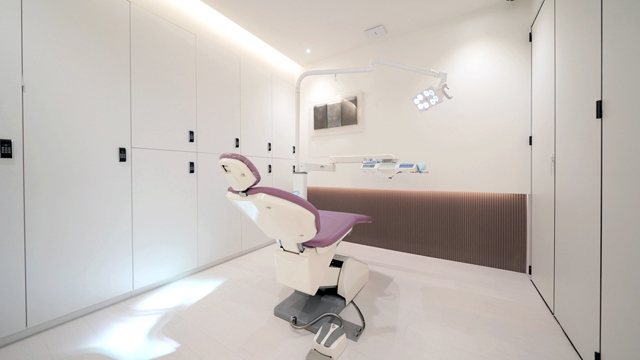
The consultation that leads to a good filler result spends most of its time on two questions — whether volume loss is genuinely what you are seeing, and which product answers it. Consultations are available in English, and international patients can start with photographs online before attending in person for the assessment that actually determines the plan. Expect the clinic to name the product, explain where it would be placed and how long it is expected to last, and set out both the common side effects and the rare serious ones before you decide. Book through the clinic contact page, or call +82-2-545-9393. The clinic is at 2F, 49 Dosan-daero 55-gil, Gangnam-gu, Seoul 06014, Republic of Korea, and is open Monday, Tuesday, Thursday and Friday from 10:00 to 19:00 KST, and Saturday from 10:00 to 15:00 KST, excluding the second and fourth Saturdays of each month.
Disclaimer
This page is for general informational purposes and does not constitute individualized medical advice. Candidacy, technique, and expected outcomes can only be determined through a consultation with a qualified physician.
Sources & Further Reading
Other Services
Explore additional treatments offered by our specialists.

Sub-Brow Lift
A sub-brow lift is a surgical procedure that removes selected excess skin, and sometimes a limited amount of underlying tissue, from the upper eyelid through an incision just below the eyebrow.
Learn More

Stem Cell Skin Treatment
Stem cell skin treatment is a broad term used for aesthetic procedures marketed to improve skin quality, texture, hydration, or visible signs of aging using cell-based materials or products described as stem-cell-derived.
Learn More
Stellate Ganglion Block
Stellate ganglion block is an injection-based procedure that delivers local anesthetic near the stellate ganglion, a group of sympathetic nerves located in the lower neck, temporarily interrupting certain sympathetic nerve signals.
Learn More