Personalized Medical Care & Dedicated International Patient Concierge


Body Contouring · Consultation Required
Non-Surgical Body Line Program
The Non-Surgical Body Line Program is not one device or one injection; it is a set of non-surgical methods assembled for one patient, aimed at a more defined appearance in selected areas without an operation.
Schedule a ConsultationNon-Surgical Body Line Program in Seoul

Medically reviewed by Dr. Joong-Ha Ryu, MD, PhD.
Youth&Young Clinic Cheongdam, Gangnam-gu, Seoul
Non surgical body shaping in Seoul describes a group of treatments that aim to change the outline of a selected area without an incision, and the Non-Surgical Body Line Program is how Youth&Young Clinic Cheongdam organises that work. The programme focuses on improving body contours and addressing localized fat without surgery, with the options chosen according to the concern being treated. It sits under Body Contouring, the heading that also covers the surgical routes to a similar goal.
What Is the Non-Surgical Body Line Program?
The Non-Surgical Body Line Program is not one device or one injection; it is a set of non-surgical methods assembled for one patient, aimed at a more defined appearance in selected areas without an operation.
Its possible components are injectable treatments, thread-lifting materials and other non-surgical body-contouring products, and which of them apply depends on the treatment area and on individual needs.
Botulinum toxin and thread lifting may be part of the plan; when they are, each adds its own steps to the appointment and its own distinct risks.
A session generally runs about 0.5 to 1.5 hours, which is 30 to 90 minutes.
General anesthesia is not generally required for this programme.
The working sequence is a consultation, marking of the treatment area, cleansing and preparation of the skin, administration of the selected treatment, and aftercare instructions.
Because the contents vary, the single most useful question a prospective patient can ask is which product is going in, where, and whether botulinum toxin or thread lifting forms part of the plan. The clinician should be identifying exactly that at the assessment, and a plan that has not named those things has not yet been specified.
It is worth stating the ceiling of this treatment category plainly, because it is the part a body-shaping page is most tempted to leave out. Non-invasive contouring treatments in general may produce effects that are modest, temporary, or both. The degree of change varies with the treatment chosen and with the individual. This is also not a weight treatment: where the actual goal is overall weight, that belongs with lifestyle and weight-management support rather than with a contouring programme, and a clinician who says so is giving you the right answer rather than a disappointing one.
Who Performs the Non-Surgical Body Line Program at Youth&Young Clinic Cheongdam
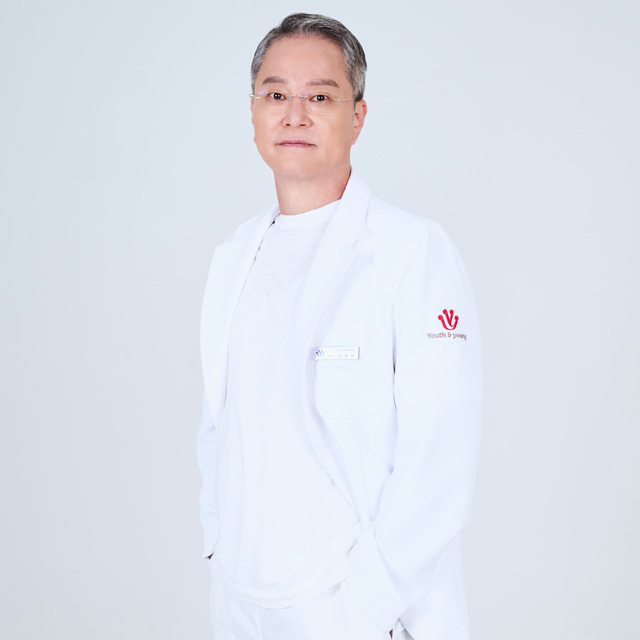
Dr. Joong-Ha Ryu, MD, PhD
Plastic Surgeon
Dr. Joong-Ha Ryu leads this service.
Dr. Ryu is the clinic’s Director and Medical Advisor and holds MD and PhD degrees. His published record is in laser cosmetic surgery across more than three decades, which is a different field from body contouring; what carries across to a programme like this one is the habit of matching an intervention to an assessed concern rather than to a request, and of setting out limitations before a first session.
Dr. Ryu keeps a profile on the clinic’s own website, which a patient researching from overseas can read before a video consultation rather than after it.
This page does not claim one doctor performs every session.
Non-Surgical Body Line Program Options / Types Available
The programme is built from three kinds of component. They are not interchangeable, they do not act on the same tissue, and a plan may use one or more of them.
Component | What it acts on | What it adds to the plan |
|---|---|---|
Injectable treatment | Localized fullness or uneven texture in a defined area | Injection-site effects such as pain, tenderness, redness, swelling and bruising; risk depends on the ingredients and the technique |
Thread lifting | Tissue position, using thread-lifting materials rather than a product injected into fat | Extra procedural steps and a distinct risk profile of its own |
Botulinum toxin | Muscle prominence, including sites such as the calves, upper arms and the trapezius | Extra steps, a distinct risk profile, and an effect that is temporary by nature |
The distinction that matters most when reading that table is between fullness caused by fat and prominence caused by muscle. They look similar in a mirror and they respond to entirely different treatments, which is one reason the assessment examines the area rather than working from a photograph or a description.
Who Is a Good Candidate for the Non-Surgical Body Line Program?
Adults with localized areas of concern, rather than a general wish to be smaller.
People who want modest contour changes and whose expectations match that description.
People who hold realistic expectations about what a non-surgical approach can reach.
People who pass a medical assessment for the particular product and area proposed.
Suitability is decided against the actual injectable product, the treatment area and the health history, not against the programme's name. Treatment should be reconsidered or deferred, after disclosure and medical advice, in these situations:
Pregnancy or breastfeeding.
An active infection or a skin problem in the area that would be treated.
Relevant allergies.
Bleeding risks, or medicines that affect bleeding.
Other restrictions that depend on the product selected and on your health.
Those are facts to disclose rather than reasons to stay silent; a clinician cannot rule a risk in or out without being told about it.
What to Expect: Procedure, Recovery, and Results Timeline
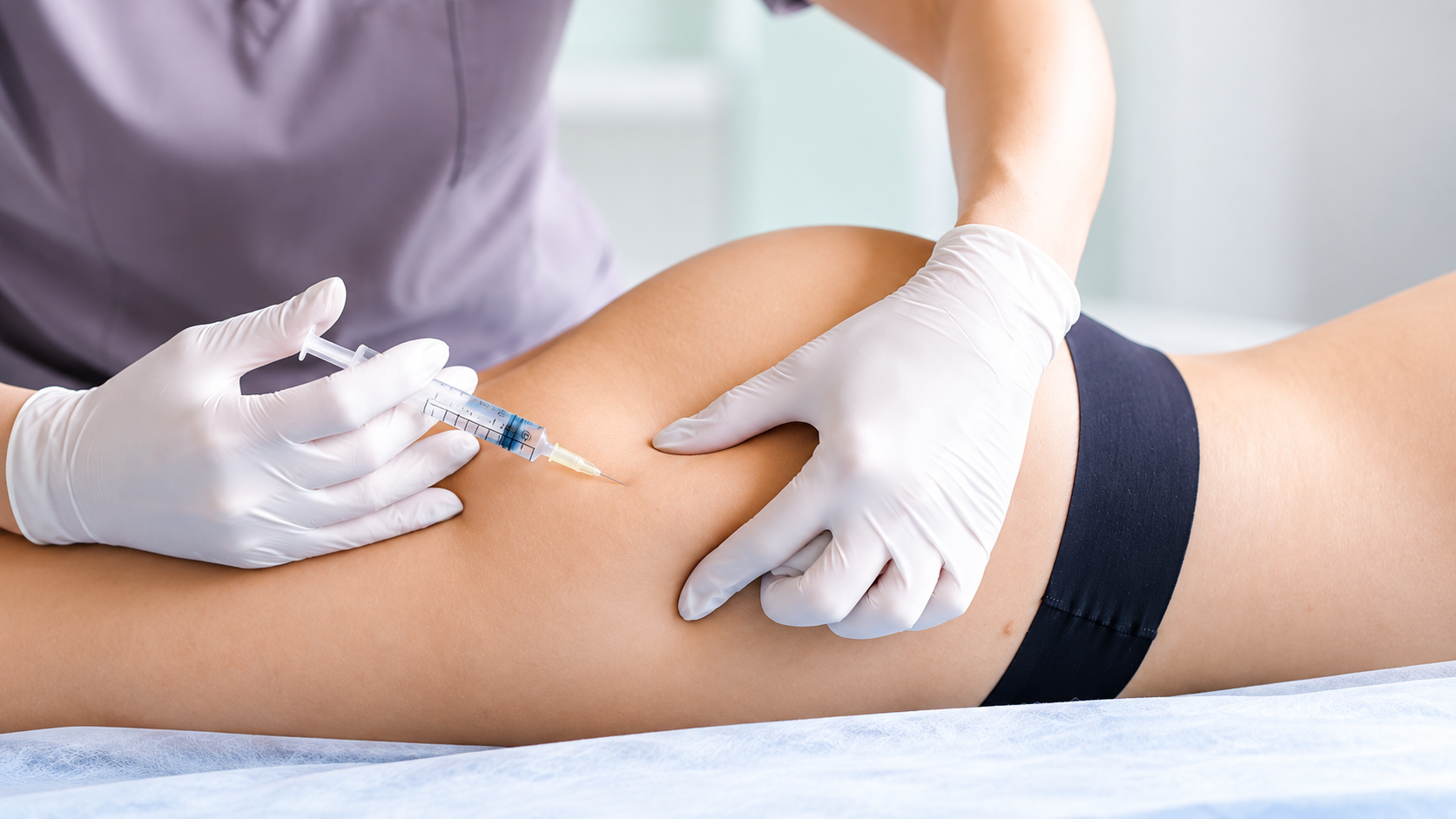
An appropriate assessment establishes your goals and examines the area to be treated. It reviews medical history, medications and allergies. It explains the expected benefits, the alternatives and the risks. And it identifies the exact product, the intended injection sites, and whether botulinum toxin or thread lifting is included.
That last item is where general cosmetic-procedure advice becomes unusually concrete. NHS guidance for anyone considering a cosmetic procedure is to ask the practitioner about the procedure itself, about the products they will be using, and about what could go wrong — and to expect a cooling-off period rather than a decision made in the room. For a programme whose contents are assembled per patient, "which products" is not a formality; it is the question that determines everything else on this page.
Preparation is mostly disclosure. Tell the treating clinician about medications, supplements, allergies, bleeding disorders, relevant medical conditions, pregnancy or breastfeeding, and any previous procedures in the area to be treated. Follow the instructions you are given about medication changes and skin preparation. Do not stop a prescribed medicine, including a blood thinner, on your own initiative — that decision belongs to the clinician who prescribed it. And do not go ahead without mentioning supplements, allergies, recent procedures, or symptoms that might indicate an infection.
Stage | What typically happens |
|---|---|
The appointment | Approximately 30 to 90 minutes for the session itself |
Immediately after | Possible needle pricks, pressure, stinging, muscle soreness or tenderness, depending on the method used |
First days | Bruising and swelling may follow injections or thread placement |
Several days to a few weeks | The recovery timeline, and also the window in which results emerge |
Several weeks to a few months | Final results may develop over this longer period, depending on the treatments used and individual response |
Recovery and results occupy roughly the same stretch of calendar here, which is a point of genuine difference from surgical contouring. Both are described as several days to a few weeks. Your clinician can advise when the result should be assessed and whether further sessions are likely to be suggested.
Aftercare instructions are specific to what was performed, and they cover touching or massaging the treated areas, exercise, alcohol, skin products and follow-up. Follow them as given. Seek medical advice if symptoms worsen, and seek it promptly for spreading redness, severe pain, fever, or anything else that feels wrong rather than merely uncomfortable.
For patients travelling from the United States, the indicative stay for this programme is approximately one to three days, and flying home may tentatively be planned for one to three days after treatment. Treat both figures as a planning baseline to confirm with the treating clinician against your actual plan, not as a schedule to book flights around before the assessment has happened.
Combining the Non-Surgical Body Line Program with Other Treatments
Botulinum toxin and thread lifting may be used together for the calves and the upper arms, which is the clearest example of the programme combining two of its own components in one area.
Botulinum toxin injections to the trapezius muscles are a further combination the clinic records for this programme.
Where the real concern turns out to be skin laxity rather than fat or muscle, Skin Tightening & Lifting addresses that directly and is a different treatment decision.
Where a broader personalised plan is wanted rather than a single area treated, the Inner Beauty Program is the clinic's route to that, assembled in the same per-patient way.
Alternatives are worth naming alongside combinations, because the right answer is sometimes neither. Overall weight goals belong with lifestyle and weight-management support. Localized fat may call for a different clinician-selected approach. Cellulite, skin laxity and muscle prominence are each their own concern with their own treatments, and the value of the assessment is in telling them apart before anything is injected.
Safety, Precision, and Clinic Standards
Injection-related effects are the most likely thing to happen, and they include pain, tenderness, redness, swelling, bruising and infection. The specific risk depends on the ingredients used and on the technique. More significant reactions can occur. Botulinum toxin and thread lifting each carry distinct risks of their own, which is a reason to have them explained separately rather than folded into one summary of the programme.
Other temporary effects reported for treatments of this kind include changes in skin sensation, muscle soreness, lumps or unevenness, and temporary changes in skin colour. Discomfort varies by treatment area and by individual sensitivity, and it is reasonable to ask in advance which pain-control measures are available and which sensations to expect during and after your particular procedure.
Spreading redness, severe pain and fever are the symptoms that should prompt contact rather than patience. They are also the symptoms most likely to appear after a patient has left the clinic, which is why the follow-up arrangement matters as much as the appointment.
The clinic holds Korean business registration number 720-46-00344. It is a Registered Medical Institution for Attracting Foreign Patients under the Ministry of Health and Welfare, in compliance with the Medical Overseas Expansion and Foreign Patients Attraction Act. That is a registration for treating international patients; it is not a facility accreditation.
What is known about botulinum toxin as a category
Because botulinum toxin may form part of this programme, two general facts about the category are worth having, along with one limit on how far they reach.
According to the American Academy of Dermatology, most people see results from botulinum toxin therapy within three to seven days, and the improvement lasts about three to four months, sometimes longer. The same source notes that treatment is given in a single office visit and that patients return to most everyday activities immediately.
The limit is this. The dermatologic uses the same source lists as FDA-approved are frown lines between the eyebrows, crow's feet, and underarm excessive sweating. Body contouring is not among them. That does not describe anything about this clinic; it describes the published indication list for the category, and the honest reading is that the timing and duration figures above come from a body of use centred on the face and underarms. Ask the treating clinician what is expected for the specific muscle and site in your plan rather than assuming the facial figures transfer intact.
Treating abroad: settle follow-up before you settle the date
Short recovery times make a treatment look easy to fit around a trip, and that is precisely when the follow-up question gets skipped. NHS advice on having cosmetic treatment overseas is direct about it: a clinic abroad may not provide follow-up, or may not provide it to the same standard, and there may be no healthcare professional in your own country to turn to if something goes wrong. Its recommendation is to establish before booking what happens if there are complications, where follow-up will take place, and what it will cost.
The clinic's stated position on international aftercare is that instructions are provided in English, that downtime expectations are set out clearly, that a defined process exists for patients who need advice after leaving Korea, and that follow-up may be possible online once a patient is home. Ask for those commitments in writing at the consultation, while you are still in a position to act on the answer.
Questions this clinic's overseas patients actually raise
The clinic keeps a record of what patients from the United States ask before booking. Several of those items bear directly on a programme assembled per patient.
Credentials and who is treating you. Verifying qualifications, experience and how complications are managed is the most frequently named concern, and for a multi-component plan it extends to who performs each part.
Treatment credibility and realistic expectations. Patients ask to verify what is being used and to understand the limitations before committing. On this page the limitation is already written down: effects may be modest or temporary.
Recovery and downtime. How long swelling, bruising and discomfort may last is a planning question for anyone with a return flight booked.
Safe timing for long-haul flights. Planning travel around recovery and follow-up is worth doing before the booking rather than after.
Follow-up once home. Knowing how to reach the clinic, and how to access local medical care if something develops, is the part that costs nothing to arrange in advance.
Clear explanations in English. Consultations, consent and aftercare are available in English, and a treatment defined by its contents is one where that clarity does real work.
The Bottom Line
The Non-Surgical Body Line Program improves body contours and addresses localized fat without surgery, with the approach chosen per patient.
Its components are injectable treatments, thread-lifting materials and other non-surgical products, and botulinum toxin or thread lifting may be included.
A session generally takes about 30 to 90 minutes and does not generally require general anesthesia.
Recovery and results both sit in the range of several days to a few weeks; final results may take several weeks to a few months.
Non-invasive contouring effects may be modest or temporary, and the programme is not a substitute for weight management.
Frequently Asked Questions
What will actually be used on me? That is decided at the assessment and it is the thing to pin down. The clinician should identify the exact product, the intended injection sites, and whether botulinum toxin or thread lifting is part of your plan. A description of the programme in general terms has not answered this question.
How long is an appointment? A session generally takes approximately 0.5 to 1.5 hours, or 30 to 90 minutes. The exact length depends on how many areas are treated and on which components the plan includes.
Will it hurt? Some discomfort is possible. Patients may feel needle pricks, pressure, temporary stinging, muscle soreness or tenderness, depending on the method used, and bruising or swelling may follow injections or thread placement. Sensitivity differs by area and by person, so ask which pain-control measures are available for your particular treatment.
How much change should I expect? Potential goals include a more defined appearance in selected areas and a reduction in the visible fullness or uneven texture that was targeted. The degree of change varies by treatment and by individual, and effects from non-invasive contouring in general may be modest or temporary.
How many days should I plan to be in Korea? Approximately one to three days is the indicative figure for this programme, with flying home tentatively possible one to three days after treatment. Confirm both against your own plan with the treating clinician before booking, since the components included change the answer.
Can this replace losing weight? No. Overall weight goals sit with lifestyle and weight-management support, not with a contouring programme. This treatment is directed at localized areas of concern in people whose expectations are for modest contour change.
When should I stop waiting and contact someone? Seek medical advice if symptoms worsen, and seek it without delay for spreading redness, severe pain or fever. Contact the clinic through its contact page, by phone on +82-2-545-9393, or by email at info@youthandyoungcheongdam.com.
Book a Consultation at Youth&Young Clinic Cheongdam
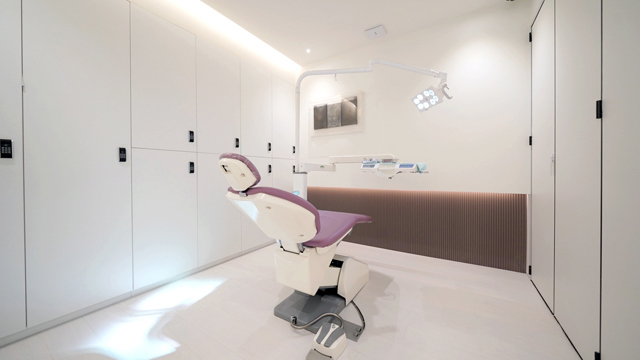
A programme that is assembled per patient cannot be chosen from a page; it has to be specified at an assessment that examines the area and names what would be used. Consultations are available in English, and the clinic can set out which components it would propose, what each is intended to do, what each risks, and how much change is realistic for your anatomy before you agree to anything. Book through the clinic contact page, or call +82-2-545-9393. The clinic is at 2F, 49 Dosan-daero 55-gil, Gangnam-gu, Seoul 06014, Republic of Korea, and is open Monday, Tuesday, Thursday and Friday from 10:00 to 19:00 KST, and Saturday from 10:00 to 15:00 KST, excluding the second and fourth Saturdays of each month.
Disclaimer
This page is for general informational purposes and does not constitute individualized medical advice. Candidacy, technique, and expected outcomes can only be determined through a consultation with a qualified physician.
Sources & Further Reading
Other Services
Explore additional treatments offered by our specialists.

Sub-Brow Lift
A sub-brow lift is a surgical procedure that removes selected excess skin, and sometimes a limited amount of underlying tissue, from the upper eyelid through an incision just below the eyebrow.
Learn More

Stem Cell Skin Treatment
Stem cell skin treatment is a broad term used for aesthetic procedures marketed to improve skin quality, texture, hydration, or visible signs of aging using cell-based materials or products described as stem-cell-derived.
Learn More
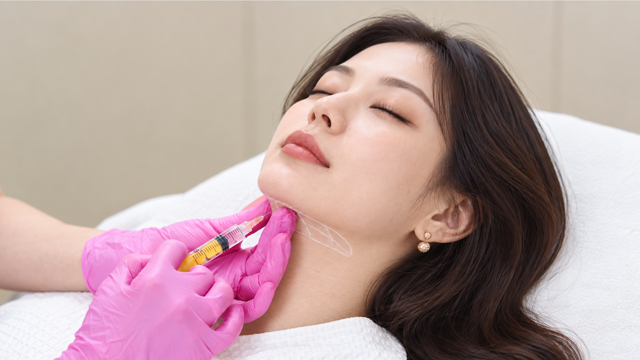
Stellate Ganglion Block
Stellate ganglion block is an injection-based procedure that delivers local anesthetic near the stellate ganglion, a group of sympathetic nerves located in the lower neck, temporarily interrupting certain sympathetic nerve signals.
Learn More