Personalized Medical Care & Dedicated International Patient Concierge

Skin Regeneration & Rejuvenation · Consultation Required
Skin Booster Injections
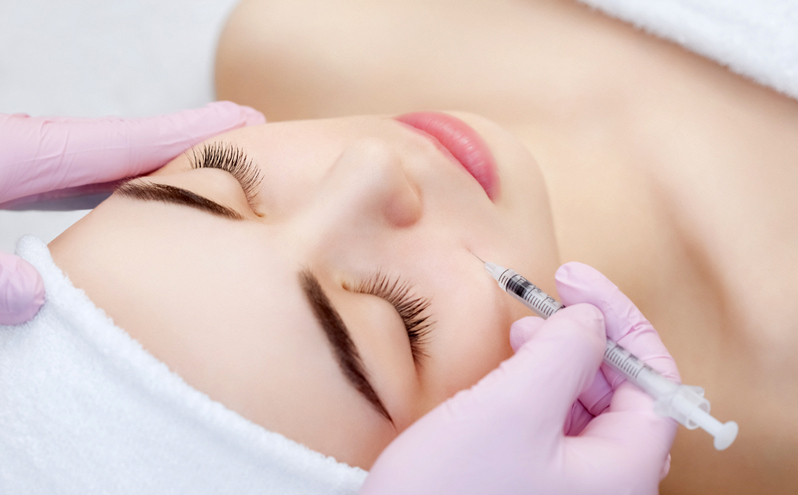
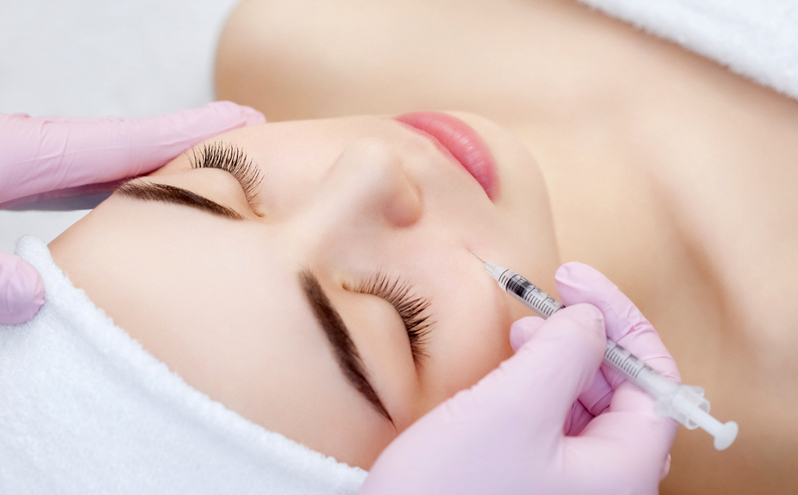
Skin booster injections involve administering selected substances into the skin to improve hydration, texture or overall skin appearance.
Schedule a ConsultationSkin Booster Injections in Seoul
Medically reviewed by Dr. Joong-Ha Ryu, MD, PhD.
Youth&Young Clinic Cheongdam, Gangnam-gu, Seoul
Skin booster injections involve administering selected substances into the skin to improve hydration, texture or overall skin appearance. Formulations vary and may contain hyaluronic acid, polynucleotides or other ingredients, and the expected effect depends on the product, the injection depth and the indication being treated. At Youth&Young Clinic Cheongdam in Seoul it sits under Skin Regeneration & Rejuvenation alongside the clinic's other skin-quality work.
What Are Skin Booster Injections?
A skin booster injection places a chosen formulation into the skin itself, with the aim of changing how the skin behaves rather than changing the shape of anything.
The formulations differ from one another substantially; hyaluronic acid, polynucleotides and other ingredients are all in circulation under the same heading.
The treatment target is skin quality — hydration, smoothness, the look of fine lines — rather than volume or contour.
A session takes roughly 15 to 30 minutes, excluding consultation and preparation.
Topical numbing cream or cooling is commonly used; local anesthesia is available where needed.
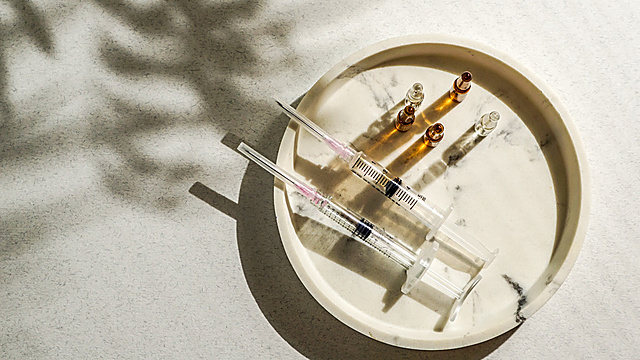
Equipment is simple: sterile single-use needles or injection devices, syringes, and skin-cleansing supplies.
The important distinction in this category is between products intended mainly to restore volume or soften a specific wrinkle, and products intended mainly to improve skin quality. They are not the same class of product, and evidence about how long one lasts does not carry across to the other. A clinic that blurs the two is making your decision harder, not simpler.
Who Performs Skin Booster Injections at Youth&Young Clinic Cheongdam
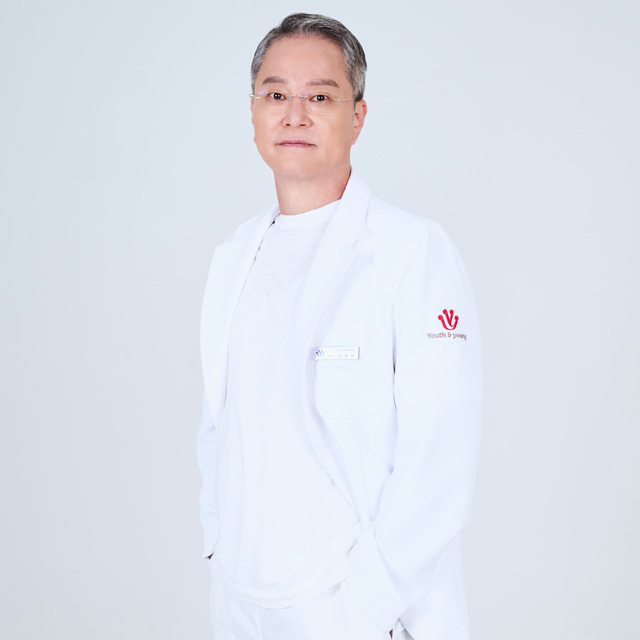
Dr. Joong-Ha Ryu, MD, PhD
Plastic Surgeon
Dr. Joong-Ha Ryu is the doctor the clinic assigns to this treatment.
Dr. Ryu holds MD and PhD degrees and is the clinic's Director and Medical Advisor. His three decades of practice have centred on laser cosmetic surgery — UltraPulse CO₂ resurfacing, laser deep dermabrasion, laser-assisted skin peeling with TCA — which matters here mainly as context: a clinician who routinely works at resurfacing depth has a practised sense of what the skin can take and when an injectable is the lighter-touch answer.
This page does not claim that one specific doctor personally performs every session of this service; the clinic assigns the clinician at the time of care.
Who Is a Good Candidate for Skin Booster Injections?
Adults seeking improvement in selected skin-quality concerns who have been assessed as suitable for the specific product proposed.
People whose expectations are realistic and who understand the benefits, the limitations and the risks of that product.
People whose concern is dry-looking skin, reduced smoothness, fine lines, or the texture and radiance of the skin.
Suitability turns on the product, the treatment area, medical history and skin condition. Treatment may need to be postponed or reconsidered for:
Anyone with an active skin infection or inflammation in the area.
People with relevant allergies, bleeding disorders or a history of severe allergic reactions, who need individual assessment.
People with other medical risk factors identified at consultation.
Patients who are pregnant or breastfeeding, where suitability may be uncertain and depends on the product.
What to Expect: Procedure, Recovery, and Results Timeline
At consultation the clinician reviews your concerns, medical history, allergies, medications, previous aesthetic treatments and any history of abnormal scarring or reactions. The skin is examined and the clinician decides whether an injectable treatment is appropriate at all. The product and its ingredients, the intended area, the expected outcome, the alternatives and the potential complications are discussed before consent is taken.
That consent conversation is the part worth protecting. NHS guidance for anyone considering a cosmetic procedure is to ask the practitioner about the procedure, the products they will use and what could go wrong, and to expect a cooling-off period after the consultation rather than a decision on the spot (NHS). Naming the product is the specific version of that question here, because this treatment is defined by what is in the syringe.
Preparation is a disclosure exercise. Tell the clinician about all medications, supplements, allergies, medical conditions and previous injectable treatments. Mention active skin problems, previous cold sores and any history of severe reactions or abnormal scarring. Do not stop a prescribed medicine without medical advice, and ask whether any medicine, supplement, alcohol or skincare product should be paused before your specific treatment.
Stage | What typically happens |
|---|---|
During the session | Area assessed and cleansed, topical anaesthetic applied if appropriate, product administered with the technique specified for it, skin checked afterwards |
First days | Redness, swelling, tenderness or bruising, often improving over several days |
One to two weeks | Some injection-site effects can persist this long, or occasionally longer |
Variable | Onset depends on the ingredient; some produce an immediate visible effect, others develop gradually |
Aftercare follows the product-specific instructions you are given. Avoid unnecessary touching or massaging of the treated area unless specifically instructed otherwise. Temporary cooling may help with swelling where it is recommended. Avoid strenuous exercise and excessive heat for the period you are advised, and protect the skin from excessive sun exposure.
The time to a final result varies by product, by treatment purpose and by individual response. Hydration effects may be noticeable earlier while other changes develop gradually, and the treating clinician can set out the expected timeline for the product chosen. Asking for that timeline in writing, with the product named, is reasonable before a first session.
For patients travelling from the United States, the recommended stay depends on the product and the treatment plan. Leave enough time for a post-treatment assessment before departure if one is needed. Where possible, allow a few days before a long flight so that swelling, bruising or any other reaction can be observed, and delay travel and get medical advice if symptoms develop.
Combining Skin Booster Injections with Other Treatments
Skin boosters may be considered alongside other aesthetic treatments in selected cases, though compatibility and timing depend on the specific injectable and the accompanying procedure.
The clinic runs a beauty programme combining tone-up peeling, with an extended version adding elasticity laser treatment and an O₂ chamber, intended to support skin vitality, brightness and elasticity.
Where the concern is scarring or texture at depth rather than skin quality at the surface, Laser Dermatology covers the treatments that address it.
Sequencing between an injectable and a resurfacing treatment is a clinical decision, not a scheduling one, and the clinic sets it at consultation.
Safety, Precision, and Clinic Standards
Possible effects include injection-site pain, redness, swelling, tenderness, bruising and itching. Common temporary reactions also include small raised bumps at the injection sites. Less common but potentially serious complications include infection, persistent lumps or nodules, allergic reactions, inflammation, skin discoloration, and blood-vessel complications.
Three symptoms are not ones to wait out. Unusual severe pain, skin discoloration, or vision changes after an injection need urgent medical attention, and they need it quickly rather than at the next scheduled appointment. That is the single most useful thing to remember from this page.
The clinic has not documented a reduction protocol specific to this treatment, and none is described here in its place. What the clinic does state about its approach generally is that it adjusts treatment according to skin condition, age and treatment goals rather than applying fixed settings.
The clinic holds Korean business registration number 720-46-00344. It is a Registered Medical Institution for Attracting Foreign Patients under the Ministry of Health and Welfare, in compliance with the Medical Overseas Expansion and Foreign Patients Attraction Act. That is a registration for treating international patients; it is not a facility accreditation.
Treating abroad: what the aftercare question actually is
The NHS makes a point about overseas treatment that applies as much to injectables as to surgery: overseas clinics may not provide follow-up treatment, or may not provide it to the same standard, and may have no healthcare professional in your own country you can go to with a problem (NHS). The same guidance suggests establishing, before you book, what happens if there are complications, where follow-up appointments will be, and how much it will cost.
Those are answerable questions here. The clinic's stated position for international patients is that it provides English aftercare instructions, clear downtime expectations, a defined process for patients who need advice after leaving Korea, and potential remote follow-up after returning home. Ask for the specifics of that process in writing before treatment rather than after it.
Three more things worth settling at the consultation
The clinic keeps a record of what patients from the United States raise before booking. Three of those items apply to an injectable treatment with unusual force, because this is a treatment where the detail determines the outcome.
The written estimate, itemised. Patients consistently ask for a clear written estimate without unexpected fees, and for injectables the line that matters is whether the quoted figure covers one session or a course. The product, the number of sessions assumed, and what happens if more are recommended should all be on the page you are given.
Image and record handling. How a clinic stores and uses clinical photographs, and what it does with personal data, is something patients raise directly. Before-and-after photography is routine for skin-quality treatments, so the time to settle that question is before the first set is taken rather than afterwards.
What the available evidence of results actually is. The clinic's own framing is that relevant before-and-after cases should be reviewed without guaranteed-outcome claims, and patients also ask whether feedback and reviews are independently verifiable. Both are reasonable requests, and both are easier to make before a deposit than after one.
A fourth, slightly different in kind: informed consent explained clearly in English is something patients name specifically. For this treatment that means understanding the product, its ingredients and its complications — not signing a general aesthetic consent form that could cover anything.
What to weigh it against
Choosing an injectable skin-quality treatment is as much a decision about what you are not doing. The alternatives differ in mechanism, recovery and the kind of concern they suit.
Approach | What it is best suited to | What it asks of you |
|---|---|---|
Skin booster injection | Hydration, smoothness and the appearance of fine lines | Minimal downtime, injection-site effects for days, repeat sessions depending on the product |
Volume-restoring injectables | Restoring volume or softening a specific wrinkle | A different product class entirely; evidence on duration does not transfer between the two |
Resurfacing treatment | Texture, scarring and sun damage at depth | Real wound care and recovery, in exchange for change the surface treatments cannot reach |
The clinician's job at consultation is to say which column your actual concern sits in, and a good consultation sometimes ends with a recommendation for something other than the treatment you came in asking about.
The Bottom Line
Skin booster injections place a selected formulation into the skin to improve hydration, texture or appearance.
The product determines almost everything about the result, so the product should be named and discussed before consent.
A session takes roughly 15 to 30 minutes, with topical numbing or cooling commonly used.
Redness, swelling, tenderness and bruising are common and usually settle over days; some effects last one to two weeks or longer.
Severe pain, skin discoloration or vision changes after an injection require urgent medical attention.
Frequently Asked Questions
What exactly is being injected? That depends on the product chosen, and it is the first question to ask. Formulations vary and may contain hyaluronic acid, polynucleotides or other ingredients. The clinician should name the product, explain its ingredients and the intended treatment area, and set out expected outcomes and complications before consent.
How long does a session take? Around 15 to 30 minutes including preparation and the treatment itself. The exact duration depends on the area treated and the number of injections required.
Does it hurt? It may cause brief discomfort, stinging or a pinching sensation. Pain varies with the product, the injection technique, the area and individual sensitivity. Topical numbing cream or cooling is commonly used, and local anesthesia is available when needed.
When will I see a result? It depends on the formulation. Some products produce an immediate visible effect; others work gradually. Hydration changes may be noticeable earlier than other effects, and the treating clinician can give the expected timeline for the specific product.
How long should I stay in Korea? Long enough for a post-treatment assessment if one is needed, which depends on the product and the plan. Confirm the recommended stay with the treating clinician before booking travel rather than afterwards.
When can I fly? Discuss flight timing with the clinician before treatment. Where possible, leave a few days before a long flight so swelling, bruising or other reactions can be monitored. If symptoms develop, delay travel and get medical advice.
What should I avoid beforehand? Tell the clinician about allergies, medical conditions, previous injectable treatments, active skin problems, and every medicine and supplement you take. Do not stop a prescribed medication without medical advice. Ask whether any medicines, supplements, alcohol or skincare products should be avoided before your particular treatment.
What do I do if something looks wrong after I get home? Contact the clinic through its contact page, by phone on +82-2-545-9393, or by email at info@youthandyoungcheongdam.com. Severe pain, discoloration or vision changes are emergencies — seek local medical care immediately rather than waiting for a reply.
Book a Consultation at Youth&Young Clinic Cheongdam
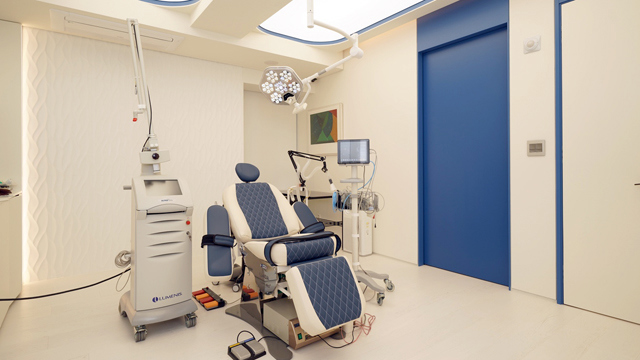
Skin booster injections in Seoul start with an examination and a product decision, and the product decision is the one that determines what you get. Consultations are available in English, and the clinic can set out the formulation proposed, what it is intended to do, how long it is expected to last, and what the recovery looks like before you commit. Book through the clinic contact page, or call +82-2-545-9393. The clinic is at 2F, 49 Dosan-daero 55-gil, Gangnam-gu, Seoul 06014, Republic of Korea, and is open Monday, Tuesday, Thursday and Friday from 10:00 to 19:00 KST, and Saturday from 10:00 to 15:00 KST, excluding the second and fourth Saturdays of each month.
Disclaimer
This page is for general informational purposes and does not constitute individualized medical advice. Candidacy, technique, and expected outcomes can only be determined through a consultation with a qualified physician.
Sources & Further Reading
Other Services
Explore additional treatments offered by our specialists.

Sub-Brow Lift
A sub-brow lift is a surgical procedure that removes selected excess skin, and sometimes a limited amount of underlying tissue, from the upper eyelid through an incision just below the eyebrow.
Learn More

Stem Cell Skin Treatment
Stem cell skin treatment is a broad term used for aesthetic procedures marketed to improve skin quality, texture, hydration, or visible signs of aging using cell-based materials or products described as stem-cell-derived.
Learn More
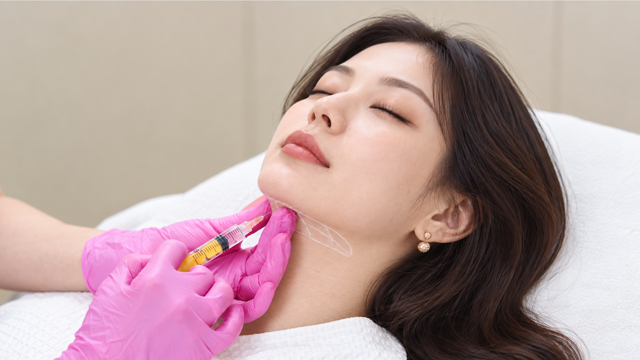
Stellate Ganglion Block
Stellate ganglion block is an injection-based procedure that delivers local anesthetic near the stellate ganglion, a group of sympathetic nerves located in the lower neck, temporarily interrupting certain sympathetic nerve signals.
Learn More