Personalized Medical Care & Dedicated International Patient Concierge


Specialty Overview
Skin Regeneration & Rejuvenation
Skin regeneration and rejuvenation is the treatment of texture, tone, wrinkle and scar concerns through procedures that prompt the skin to repair and rebuild, selected after an examination rather than from a menu.
Schedule a ConsultationSkin Regeneration & Rejuvenation in Seoul
Medically reviewed by Dr. Joong-Ha Ryu, MD, PhD Youth&Young Clinic Cheongdam, Gangnam-gu, Seoul
Skin regeneration and rejuvenation aims to improve skin texture, tone, and the appearance of wrinkles and scars. Which approach suits a given patient depends on the skin concern itself and on the clinician's assessment, not on a product chosen in advance. At Youth&Young Clinic Cheongdam in Seoul, this specialty covers injectable treatments directed at skin quality and procedures described as cell-based, and the two are not the same thing.
What Is Skin Regeneration & Rejuvenation?
Skin regeneration and rejuvenation is the treatment of texture, tone, wrinkle and scar concerns through procedures that prompt the skin to repair and rebuild, selected after an examination rather than from a menu.
The concerns patients bring to it are acne scars, enlarged pores, rough texture, uneven pigmentation, fine lines, wrinkles and sun damage.
Suitability turns on skin type, scar characteristics, medical history and how deep the planned treatment goes.
Pain control may involve topical or local anesthesia, a nerve block, or sedation, depending on what is being done.
An appointment may run from roughly 30 minutes to two hours, depending on the area and the extent of treatment.
Recovery after a resurfacing-depth treatment commonly takes around two weeks.
The word "regeneration" is where this category gets slippery, and it is worth being plain about it early. Some treatments here have decades of ordinary clinical use behind them. Others are grouped under terms that sound settled and are not. A page that treats both the same way is not being helpful.
Who Performs Skin Regeneration & Rejuvenation at Youth&Young Clinic Cheongdam
|
Dr. Joong-Ha Ryu, MD, PhD |
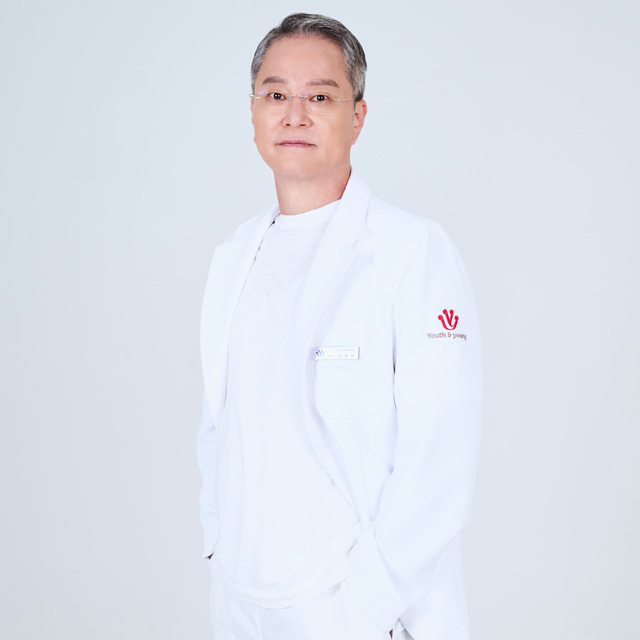
Treatment in this specialty is carried out by Dr. Joong-Ha Ryu.
Dr. Joong-Ha Ryu, who holds MD and PhD degrees, serves as the clinic's Director and Medical Advisor. Three decades of his practice have been in laser cosmetic surgery, and his stated subspecialty expertise — laser deep dermabrasion, CO₂ laser skin resurfacing, and laser-assisted skin peeling using TCA — sits squarely in the resurfacing half of this specialty, where treatment depth is the decision being made. His training in the field dates to 1990, under the founder of the International Society of Cosmetic Laser Surgeons, Dr. David Laurence; the clinic describes him as that mentor's first and only Asian disciple, and reports full membership of the society from 1995.
Doctor consult Monday, Tuesday, Thursday and Friday, and on Saturday mornings. Neither is presented as performing every session of every treatment; the clinic assigns the clinician at consultation.
Skin Regeneration & Rejuvenation Options Available
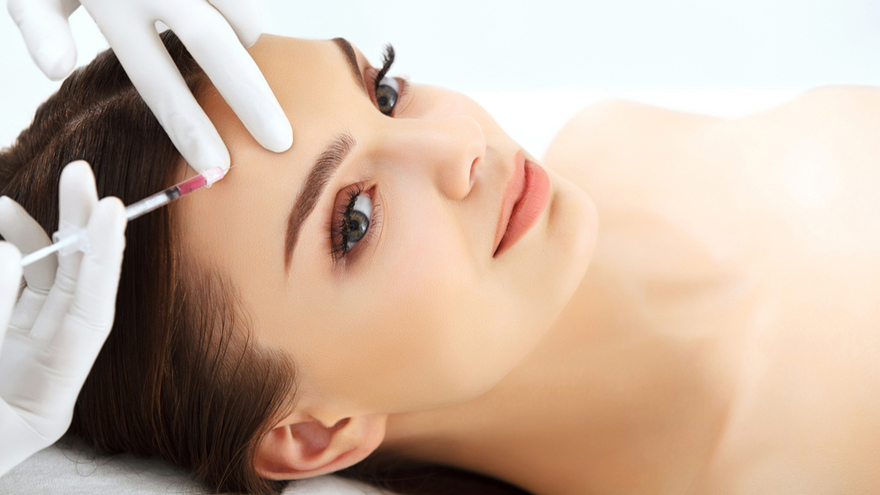
The clinic lists two treatments under this specialty, and they belong to different evidence categories. Reading them as interchangeable is the single most common mistake made in this part of aesthetic medicine.
Treatment | What it is | What can honestly be said about it |
|---|---|---|
Selected substances injected into the skin to improve hydration, texture or appearance; formulations vary and may contain hyaluronic acid, polynucleotides or other ingredients | Effects depend on the specific product, injection depth and indication; some produce an immediate visible change and others are gradual | |
A broad term for aesthetic procedures using cell-based materials or products described as stem-cell-derived | Evidence, safety and regulatory status vary considerably by product and technique; the clinic's own source material records no approved claim for it |
That last cell is not a hedge added for legal comfort. It is what the clinic's documentation says, and it is consistent with what regulators say about the category. The United States Food and Drug Administration states that currently the only stem cell products that are FDA-approved for use in the United States consist of blood-forming stem cells derived from umbilical cord blood, approved for disorders affecting the production of blood and not for other uses (U.S. Food and Drug Administration). The International Society for Stem Cell Research puts the clinical position in similar terms for patients: the list of diseases for which stem cell treatments have been shown to be beneficial is still very short, and all other applications should be considered highly experimental (International Society for Stem Cell Research).
Those two statements are about the treatment category worldwide. They are not statements about this clinic, and nothing on this page should be read as placing a particular procedure performed here inside or outside them. What they are useful for is calibration: if you are weighing a cell-based cosmetic procedure anywhere, those are the terms the field itself uses.
Injectable skin-quality treatments sit differently. There the open question is usually the product, not the category — which formulation, at what depth, for which indication. Products intended mainly to restore volume or soften a specific wrinkle are a different class from products intended mainly to improve skin quality, and evidence about how long one lasts does not transfer to the other.
Who Is a Good Candidate for Skin Regeneration & Rejuvenation?
People with acne scars, uneven skin texture, sun-damaged skin, fine lines or selected pigmentation concerns who are medically suitable for resurfacing.
Adults seeking improvement in a defined skin-quality concern who have been assessed as suitable for the specific product proposed.
People whose expectations match what the treatment can do, including its limitations and its risks.
Treatment may need to be postponed, or another approach chosen, for:
People with active acne or certain active skin infections.
People with impaired wound healing or an elevated risk of abnormal scarring.
People with relevant allergies, bleeding disorders or a history of severe allergic reactions, who need individual assessment.
Patients who are pregnant or breastfeeding, where suitability may be uncertain and depends on the product.
None of these is an automatic exclusion. Each is a reason for the clinician to look harder before agreeing to treat.
What to Expect: Procedure, Recovery, and Results Timeline
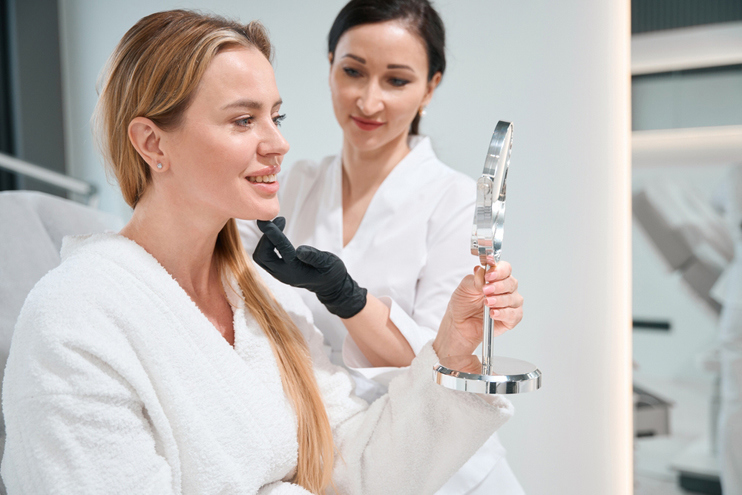
The consultation has a fixed shape. The clinician reviews your concerns, medical history, medications, previous cosmetic treatments, any history of cold sores, and your skin type, pigmentation and scarring. The skin is examined. Realistic outcomes and risks are discussed. Only then are the method and the treatment depth selected.
Preparation is short but not optional. Avoid excessive sun exposure and tanning. Disclose every medication and supplement you take. Report any history of cold sores, abnormal scarring or delayed wound healing. The clinician may recommend preparatory skincare or ask you to stop a specific product for a period. Do not stop a prescribed medicine on your own initiative.
Stage | What typically happens |
|---|---|
During the appointment | The area is assessed and cleansed, eye protection and pain control are arranged where relevant, the treatment is delivered, and aftercare instructions are given |
First days | Redness, swelling, stinging, itching, tenderness, peeling or crusting, depending on the method and depth |
One to two weeks | Injection-site effects such as bruising or small raised bumps may persist at the longer end of this range |
Around two weeks | Recovery from a resurfacing-depth treatment commonly reaches this point |
Weeks to months | Texture and collagen-related change can continue developing after the surface has healed |
Aftercare follows the instructions you are given rather than a general rule, because the instructions differ sharply between an injected treatment and a resurfacing one. Cleanse as directed, use the recommended protective ointments or moisturisers, and do not pick at peeling skin or crusts. Protect treated skin from sunlight and use the sun-protection regimen you are given. After an injectable treatment, avoid unnecessary touching or massaging of the area unless specifically told otherwise, and avoid strenuous exercise and excessive heat for the period advised.
Results and recovery run on different clocks. Improvement becomes visible as the skin heals, and collagen-related change may continue well after that. How long it lasts depends on what was treated, on ageing, on sun exposure and on skincare. There is no universal final-result date for this specialty, and a clinic that offers you one has stopped describing your skin and started describing a sales timeline.
For patients travelling from the United States, the recommended stay depends on the procedure, recovery needs and the follow-up schedule, and it should be confirmed with the treating physician before flights are booked. The same applies to the return journey: being discharged is not the same as being ready for a fourteen-hour flight, and the clinic's position is that the physician confirms fitness to travel rather than the calendar doing it.
Combining Skin Regeneration & Rejuvenation with Other Treatments
Injectable skin-quality treatments may be considered alongside other aesthetic procedures in selected cases, though compatibility and timing depend on the specific product and the accompanying procedure.
Where the concern is scarring rather than skin quality, Laser Scar & Acne Scar Treatment addresses it directly and is the comparison worth making first.
Where the concern is laxity, Skin Tightening & Lifting is the relevant option and sits under a different specialty.
Procedures that disrupt the skin barrier or introduce biological material call for particular caution about infection, inflammation and timing between sessions.
Sequencing is set at consultation. The clinic does not publish a fixed combination protocol, and the honest reason is that the right order depends on which treatment needs the skin intact.
Safety, Precision, and Clinic Standards
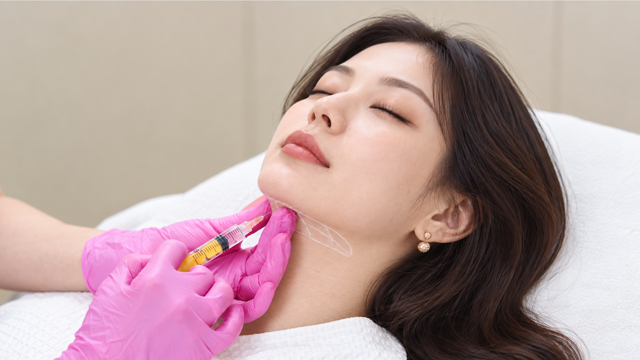
Possible effects of injectable treatment include injection-site pain, redness, swelling, tenderness, bruising and itching. Less common complications include infection, allergic reactions, persistent lumps or nodules, inflammation and skin discoloration. Unusual severe pain, skin discoloration or vision changes after an injection need urgent medical attention rather than observation at home. Resurfacing-depth treatment carries its own profile: redness, swelling, stinging, itching, peeling, crusting and temporary sensitivity, with pigment change and scarring among the less common outcomes.
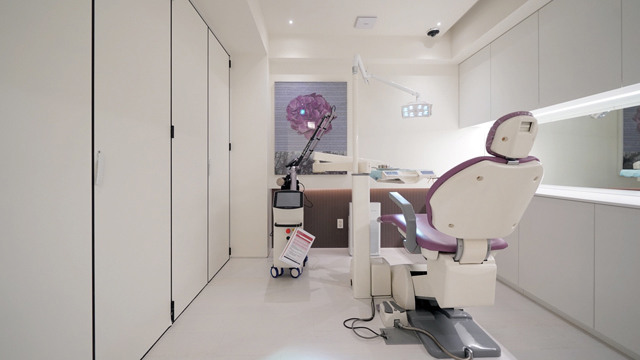
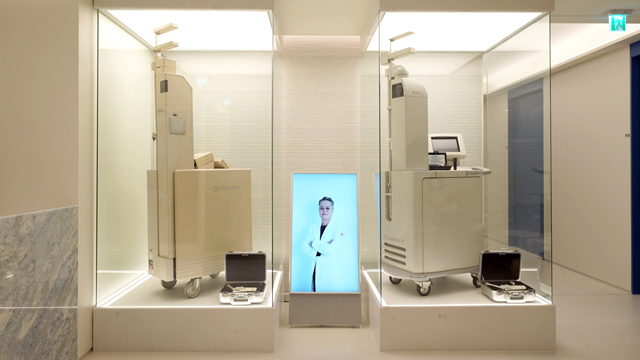
The clinic's stated quality-control practice is to adjust treatment intensity, depth and instrument selection according to skin condition, age and treatment goals rather than running fixed settings. Its equipment for resurfacing work is the Lumenis UltraPulse and UltraPulse Alpha CO₂ laser platforms. For injectable treatment the equipment is what the category requires — sterile single-use needles or injection devices, syringes and skin-cleansing supplies.
Two things this clinic's own documentation does not record for this specialty are worth naming rather than filling in. It records no approved claim for the cell-based treatment, and no proprietary technique for it. Where a fact is not in the record, it is not written here in another form.
What the clinic does hold is straightforward to check. The clinic holds Korean business registration number 720-46-00344. It is a Registered Medical Institution for Attracting Foreign Patients under the Ministry of Health and Welfare, in compliance with the Medical Overseas Expansion and Foreign Patients Attraction Act. That is a registration for treating international patients; it is not a facility accreditation.
What to ask before agreeing to a cell-based cosmetic procedure anywhere
The International Society for Stem Cell Research publishes patient guidance aimed at exactly this decision, and three of its points translate directly into questions.
Does the science behind the treatment match the science behind the concern? The society's position is that the more you know about the causes and effects of your condition, the better armed you are to identify your best treatment options.
Is "from your own body" being offered as a safety argument? The society notes that any time cells are removed from your body there is a risk they may be contaminated, and that how and where cells are put back matters.
What is being offered as evidence? The society warns against clinics that use persuasive language, including patient testimonials, to market treatments instead of science-based evidence.
Asking those three questions costs nothing and is reasonable to ask here as readily as anywhere else.
The Bottom Line
This specialty treats texture, tone, wrinkle and scar concerns, and the method follows from an examination rather than from a product choice made in advance.
It covers two very different things: injectable treatments directed at skin quality, and procedures described as cell-based.
For the cell-based category, regulators and the relevant scientific society both describe the proven applications as narrow and the rest as experimental.
Recovery after resurfacing-depth treatment commonly takes around two weeks; injection-site effects may last one to two weeks or longer.
The clinic's record contains no approved claim and no proprietary technique for the cell-based treatment, and this page does not supply one.
Frequently Asked Questions
Is this one treatment or several? Several, grouped by the concern they address rather than by how they work. The clinic lists an injectable skin-quality treatment and a cell-based treatment under this specialty, and they differ in method, in recovery and in how much is actually known about them.
How long does an appointment take? Between roughly 30 minutes and two hours, depending on the area and the extent of treatment. An injectable session at the shorter end may take 15 to 30 minutes once consultation and preparation are excluded.
Is it painful? Discomfort varies with the method and the intensity. Patients may feel mild stinging, tingling, warmth or temporary discomfort; injections may cause brief stinging or a pinching sensation. Numbing cream, cooling or another pain-management method is used where appropriate.
How long before I can fly home? There is no single answer, and this is the question most worth asking in person. The treating physician should confirm you are sufficiently recovered to travel, taking the treatment performed, your skin's condition and any complications into account. Arrange your follow-up before departure rather than after it.
What are the common side effects? Temporary redness, swelling, sensitivity, itching, stinging and peeling are the usual ones. Less commonly, infection, changes in skin pigmentation, delayed healing or scarring can occur. After injections, bruising and small raised bumps at the injection sites are also common.
How should I prepare? Avoid excessive sun exposure and tanning. Tell the clinician about every medication, supplement, allergy and skincare product you use, and about any relevant skin condition. Do not stop prescribed medication or discontinue active skincare ingredients unless your treating physician tells you to.
When will I know whether it worked? Some change may appear early, while improvement associated with skin healing and collagen remodelling can develop over weeks or months. The expected timeline for your specific treatment should be set out at consultation, and it is reasonable to ask what happens if the response is slower than that.
What do I do if something looks wrong after I get home? Contact the clinic through its contact page, by phone on +82-2-545-9393, or by email at info@youthandyoungcheongdam.com. If you cannot reach the clinic quickly and symptoms are worsening, seek local medical attention first.
Book a Consultation at Youth&Young Clinic Cheongdam
Skin regeneration and rejuvenation in Seoul begins with an examination and a diagnosis, and only afterwards with a method. Consultations are available in English, and the clinic can discuss the proposed treatment, its expected benefit, its limitations, the recovery it asks for and the number of sessions before you commit to anything. If the resurfacing side of your question is the larger one, Laser Dermatology is the specialty that covers it. Book through the clinic contact page, or call +82-2-545-9393. The clinic is at 2F, 49 Dosan-daero 55-gil, Gangnam-gu, Seoul 06014, Republic of Korea, and is open Monday, Tuesday, Thursday and Friday from 10:00 to 19:00 KST, and Saturday from 10:00 to 15:00 KST, excluding the second and fourth Saturdays of each month.
Disclaimer
This page is for general informational purposes and does not constitute individualized medical advice. Candidacy, technique, and expected outcomes can only be determined through a consultation with a qualified physician.
Sources & Further Reading
Related Services
Procedures available within our clinical departments.

Sub-Brow Lift
A sub-brow lift is a surgical procedure that removes selected excess skin, and sometimes a limited amount of underlying tissue, from the upper eyelid through an incision just below the eyebrow.
Learn More

Stem Cell Skin Treatment
Stem cell skin treatment is a broad term used for aesthetic procedures marketed to improve skin quality, texture, hydration, or visible signs of aging using cell-based materials or products described as stem-cell-derived.
Learn More
Stellate Ganglion Block
Stellate ganglion block is an injection-based procedure that delivers local anesthetic near the stellate ganglion, a group of sympathetic nerves located in the lower neck, temporarily interrupting certain sympathetic nerve signals.
Learn More